
Walking vs Running: Which Is Better for Your Health and Fitness?
Staying active is one of the most effective ways to support your physical and mental health. However, when choosing an exercise routine, many people ask the same question: is walking better than running, or does running provide greater health benefits?
Table of Contents
ToggleBoth activities are accessible forms of exercise that can improve cardiovascular fitness, support weight management and contribute to a healthier lifestyle. The best option depends on your fitness level, health, personal goals and the amount of time you can dedicate to physical activity.
In this guide, we explore the differences between walking and running, their health benefits, calorie expenditure and how to choose an activity you can maintain over time.

1. Understanding the Difference Between Walking and Running
Walking and running are both aerobic activities. They increase your heart rate, engage your muscles and help your body use oxygen more efficiently.
The main difference is intensity.
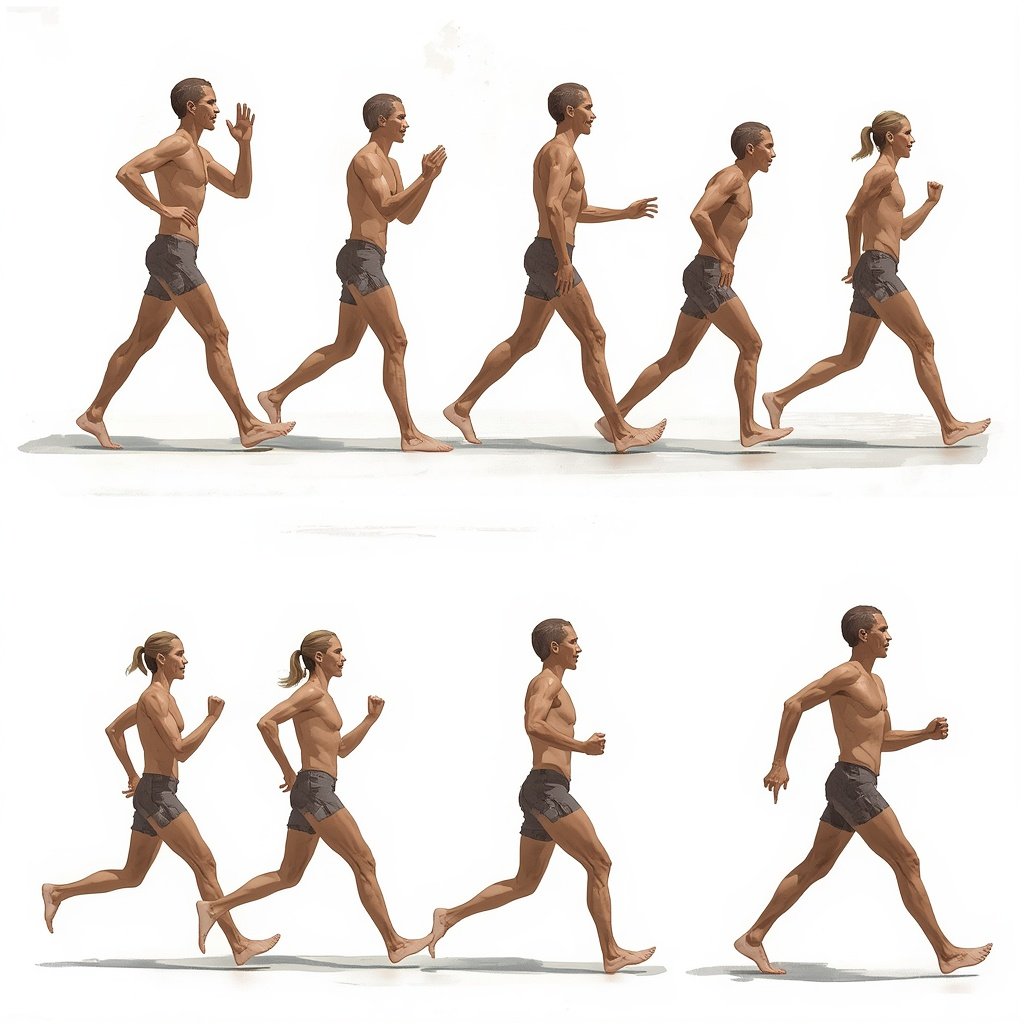
Walking is generally a low-impact activity in which at least one foot remains in contact with the ground. Running is more vigorous, with a brief airborne phase between steps. Running usually places greater demands on your cardiovascular system and muscles.
Walking is often suitable for beginners and people looking for gentle daily movement. Running may suit people who want to improve their aerobic fitness through more intense exercise.
Neither activity is automatically better for everyone.
2. Health Benefits of Walking

Walking is a simple way to add more movement to your daily routine. You do not need expensive equipment or a gym membership to get started.
Supports Heart Health
Regular brisk walking can improve cardiovascular fitness and contribute to better heart health. It encourages circulation and helps your body become more efficient at using oxygen.
Helps Manage Body Weight
Walking uses energy, and doing it consistently can contribute to weight management. The number of calories you burn depends on your pace, body weight, distance and terrain.
Supports Mental Wellbeing
Spending time walking outdoors may help reduce everyday stress and improve your mood. A short walk can also provide a useful break from work and screen time.
Improves Mobility and Endurance
Walking engages the muscles in your legs and core. Regular practice can improve stamina and help you remain active throughout the day.
Easy to Maintain
One major advantage of walking is that it can fit into everyday life. You can walk to nearby shops, take the stairs, walk during lunch breaks or explore your local area.
3. Health Benefits of Running
Running is a vigorous aerobic activity that can improve fitness and endurance.
Improves Cardiovascular Fitness
Running increases your heart rate and challenges your cardiovascular system. Over time, a consistent running routine can improve aerobic capacity.
Burns More Calories Per Minute
Running generally burns more calories per minute than walking at a normal pace because it requires more energy.
However, the total energy expenditure depends on exercise duration, speed, body weight and individual differences.
Builds Lower-Body Strength
Running engages the quadriceps, hamstrings, calves and gluteal muscles. It also requires coordination and core stability.

Improves Running Endurance
Regular training helps your body adapt to sustained physical effort. Beginners should increase their distance and intensity gradually rather than attempting long runs immediately.
Can Support Mental Health
Like other forms of physical activity, running can improve mood and help manage everyday stress. Many runners also enjoy the sense of achievement that comes from reaching personal goals.
4. Walking vs Running: Which Burns More Calories?
Running generally burns more calories per minute than walking because it requires greater physical effort.
However, the exact number depends on several factors:
Your body weight.
Your walking or running speed.
The distance covered.
The duration of exercise.
The incline and terrain.
Your individual fitness and movement efficiency.
For example, a person who walks for an hour may use more total energy than someone who runs for only 15 minutes.
This is why exercise duration matters alongside intensity.
If your goal is weight management, choose an activity you can perform consistently. Combining regular physical activity with balanced nutrition and sufficient sleep is generally more sustainable than relying on exercise alone.
How Multi-Ingredient Supplements Work
5. Is Walking Better for Beginners?
For many beginners, walking is an excellent starting point.
It allows you to develop an exercise habit without immediately placing the same physical demands on your body as running.
Consider beginning with:
10–15 minutes of comfortable walking.
A gradual increase in duration.
A slightly faster pace when you feel ready.
Comfortable shoes.
Rest when your body needs it.
As your fitness improves, you may decide to introduce short jogging intervals.

People with existing medical conditions, persistent joint pain or concerns about starting vigorous exercise should seek advice from a healthcare professional.
6. Is Running Better for Weight Loss?
Running can be an effective way to increase energy expenditure, but weight loss depends on more than one activity.
Your overall eating habits, daily movement, sleep, consistency and individual health all play a role.
Walking can also support weight management, particularly when performed regularly and combined with healthy eating.
The most useful exercise is not necessarily the most intense one. It is the one you can safely continue.
7. Walking and Running for Heart Health
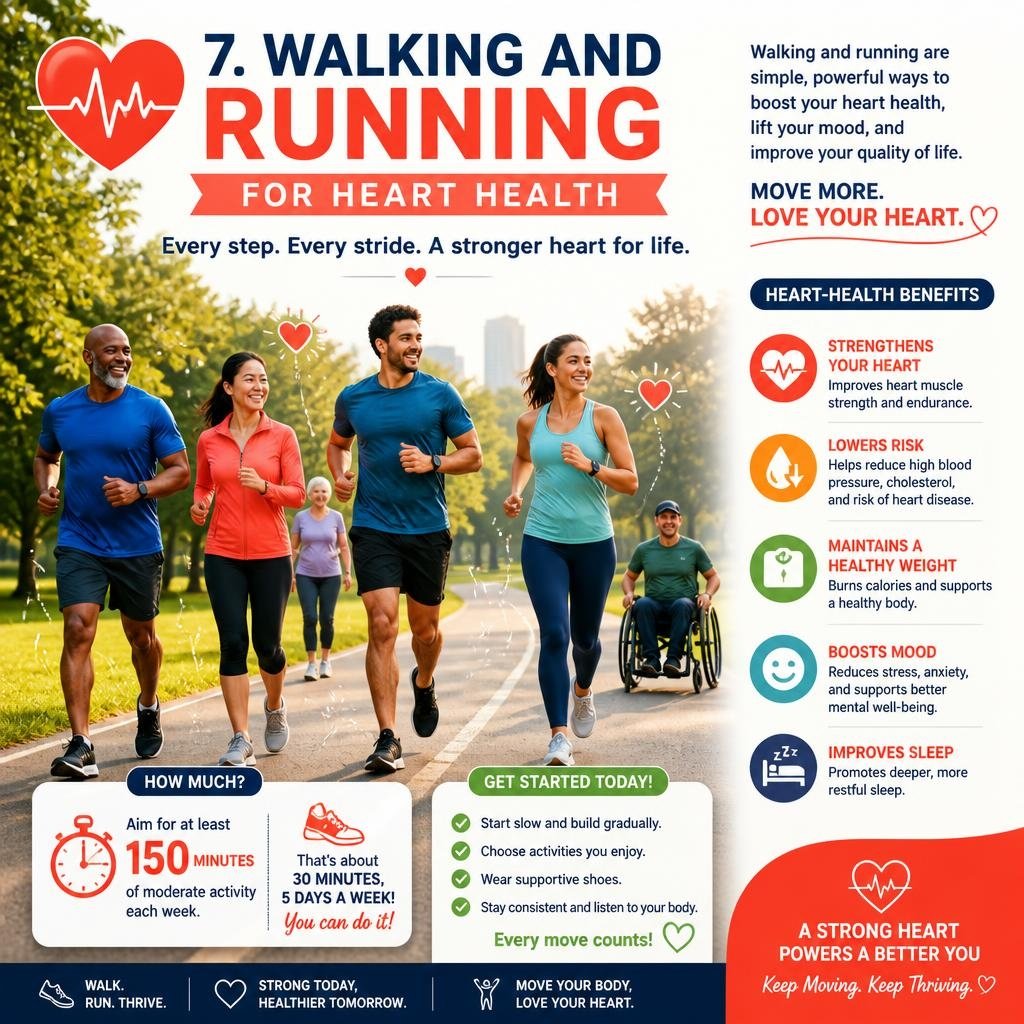
Both walking and running can contribute to cardiovascular health.
Walking at a brisk pace can provide moderate-intensity activity, while running is generally considered vigorous-intensity activity.
The appropriate intensity depends on your fitness level. A useful practical guide is the talk test:
During moderate activity, you can talk but may not be able to sing.
During vigorous activity, you can usually say only a few words before needing to breathe.
Adults should aim for at least 150 minutes of moderate-intensity physical activity or 75 minutes of vigorous-intensity activity each week, or an equivalent combination, alongside muscle-strengthening activities.
8. How to Start a Walking Routine
If you are new to exercise, start with a realistic plan.
Week 1: Walk for 10–15 minutes on most days.
Week 2: Increase your walking time if you feel comfortable.
Week 3: Introduce short periods of brisk walking.
Week 4: Aim for a longer walk or add an extra day when appropriate.
Pay attention to how your body responds. You do not need to increase your activity every week if you are experiencing discomfort or excessive fatigue.
9. How to Start Running Safely
Running beginners can benefit from a walk-and-run approach.
For example:
Warm up with five minutes of walking.
Jog gently for one minute.
Walk for two minutes.
Repeat the intervals several times.
Finish with a comfortable walking cooldown.
As your endurance improves, you can gradually increase the jogging intervals.
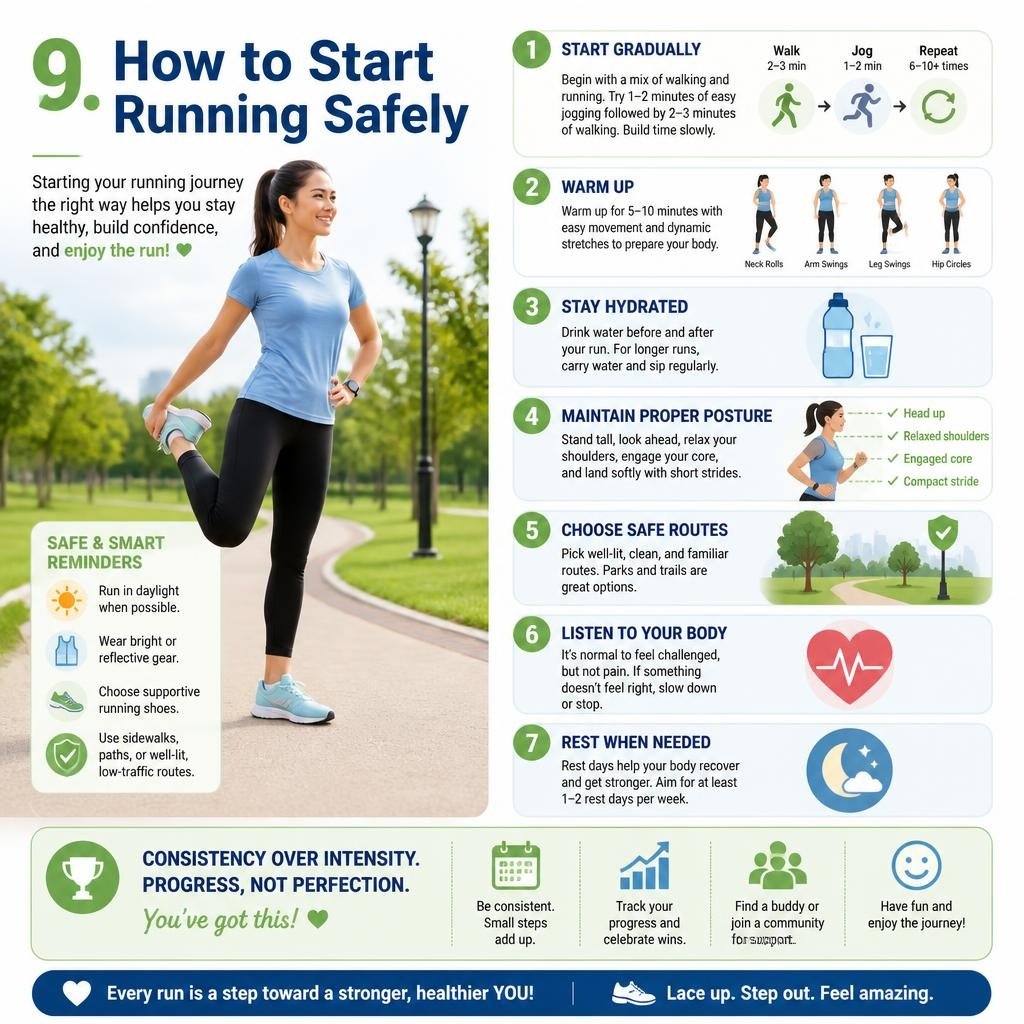
Avoid increasing speed and distance too quickly. Rest and recovery are important parts of a sustainable running routine.
10. Walking vs Running: Which Should You Choose?
Choose walking if you:
Are starting a new exercise routine.
Prefer low-impact activity.
Want to increase your daily movement.
Enjoy longer, comfortable outdoor activities.
Need an activity that fits easily into your schedule.
Choose running if you:
Already have a reasonable fitness foundation.
Enjoy vigorous exercise.
Want to develop running endurance.
Prefer shorter, more intense workouts.
Can run comfortably without persistent pain.
You can also combine both activities. Walking on some days and running on others can add variety to your routine.
11. Can You Combine Walking and Running?
Absolutely. Combining walking and running is a practical way to build endurance.
For example, you might walk on Monday, try a gentle walk-and-run session on Wednesday and enjoy a longer walk on Saturday.
This approach gives your body time to adapt and allows you to adjust exercise intensity according to your energy and recovery.

Frequently Asked Questions
Is walking for 30 minutes every day beneficial?
A daily 30-minute walk can contribute to cardiovascular fitness, mobility and overall physical activity. Its benefits depend on pace, consistency and your individual health.
Is running better than walking for weight loss?
Running generally burns more calories per minute, but walking can also support weight management. Your overall activity, food intake and consistency matter.
Can walking improve heart health?
Yes. Regular brisk walking can improve cardiovascular fitness and contribute to better heart health.
Is it better to walk before running?
Beginners often benefit from walking first to develop endurance. A walking warm-up is also useful before a running session.
How many days a week should I walk or run?
The appropriate frequency depends on your fitness level and recovery. Aim to build a consistent routine that supports recommended weekly physical activity levels.
Conclusion
Walking and running both offer valuable health benefits. Walking is accessible, adaptable and suitable for many fitness levels, while running provides a more vigorous workout that can improve cardiovascular endurance.
You do not have to choose one activity forever. A combination of walking and running can help you stay active, develop fitness and maintain a healthier lifestyle.
Start at a comfortable level, remain consistent and focus on long-term progress rather than quick results.
Final Verdict
So, walking vs running: which burns more calories?
The answer is clear—running burns more calories in less time. However, that does not automatically make it the better choice for everyone.
Walking remains one of the most effective and sustainable exercises for improving health, increasing daily activity, and supporting long-term weight management.
The best exercise is ultimately the one you enjoy and can maintain consistently. Whether you choose walking, running, or a combination of both, regular physical activity is one of the most valuable investments you can make in your health.
Do This One Unusual 10-Minute Trick Before Work To Melt Away 15+ Pounds of Belly Fat
“All Women Get Fat After They’re Married…Mine Did!”
Her Husband Said Underneath His Breath On The Eve Of Their 5-Year Wedding Anniversary

- Activate your “Belly Shrinking Signal” in just 10-minutes and visibly SEE your belly get flatter and more firm in just 3 days.
- There is NO thinking on your part. Simply press Play and follow along with me for 10-minutes and you’re DONE!
- And you do NOT need a single piece of equipment, each workout only uses your own bodyweight to slim and sculpt every last inch while your “Slimming Signal” MELTS away ugly fat FASTER than ever before
- This belly slimming program is 100% digital only and you will receive instant access so you can start stripping away fat without waiting weeks for the program to arrive. Click here for more info