Table of Contents
ToggleFoods Rich in Protein for Weight Management are one of the most effective ways to stay full longer, reduce unhealthy cravings, and support healthy weight loss. Protein helps preserve lean muscle, boosts metabolism, and provides long-lasting energy. Whether you’re trying to lose weight, build muscle, or simply eat healthier, choosing high-protein foods can make a significant difference. In this guide, you’ll discover the best protein-rich foods, their health benefits, and practical ways to include them in your daily diet.
In this guide, you’ll learn why protein matters for weight management, how much you need, and which foods provide the highest-quality protein.
Why Protein Is Important for Weight Management
Protein plays several key roles in the body, including building muscle, repairing tissues, producing enzymes, and supporting immune function.
When it comes to weight management, protein offers unique benefits.
Helps You Feel Fuller for Longer
Protein increases feelings of fullness by influencing hunger-related hormones.
Eating adequate protein may help:
- Reduce hunger
- Decrease cravings
- Lower overall calorie intake
- Reduce snacking between meals
Many people find that increasing protein naturally helps them eat fewer calories throughout the day.
Supports Muscle Maintenance
When losing weight, preserving muscle mass is essential.
Higher-protein diets can help maintain lean muscle tissue, especially when combined with regular physical activity.
Maintaining muscle is important because muscle tissue burns more calories than fat tissue, even at rest.
May Increase Calorie Burn
Your body uses energy to digest, absorb, and process food.
Protein has a higher thermic effect compared to carbohydrates and fats, meaning your body burns more calories during digestion.
While this effect is modest, it can contribute to long-term weight management.
How Much Protein Do You Need?
Protein requirements vary depending on age, activity level, body weight, and health goals.
General guidelines suggest:
- Sedentary adults: 0.8 grams of protein per kilogram of body weight
- Active individuals: 1.2–1.7 grams per kilogram
- People trying to lose weight: 1.2–1.6 grams per kilogram
For example, a person weighing 70 kg (154 lbs) may benefit from consuming approximately 84–112 grams of protein daily when focusing on weight management.
Individual needs vary, so consider speaking with a healthcare professional or registered dietitian for personalized guidance.
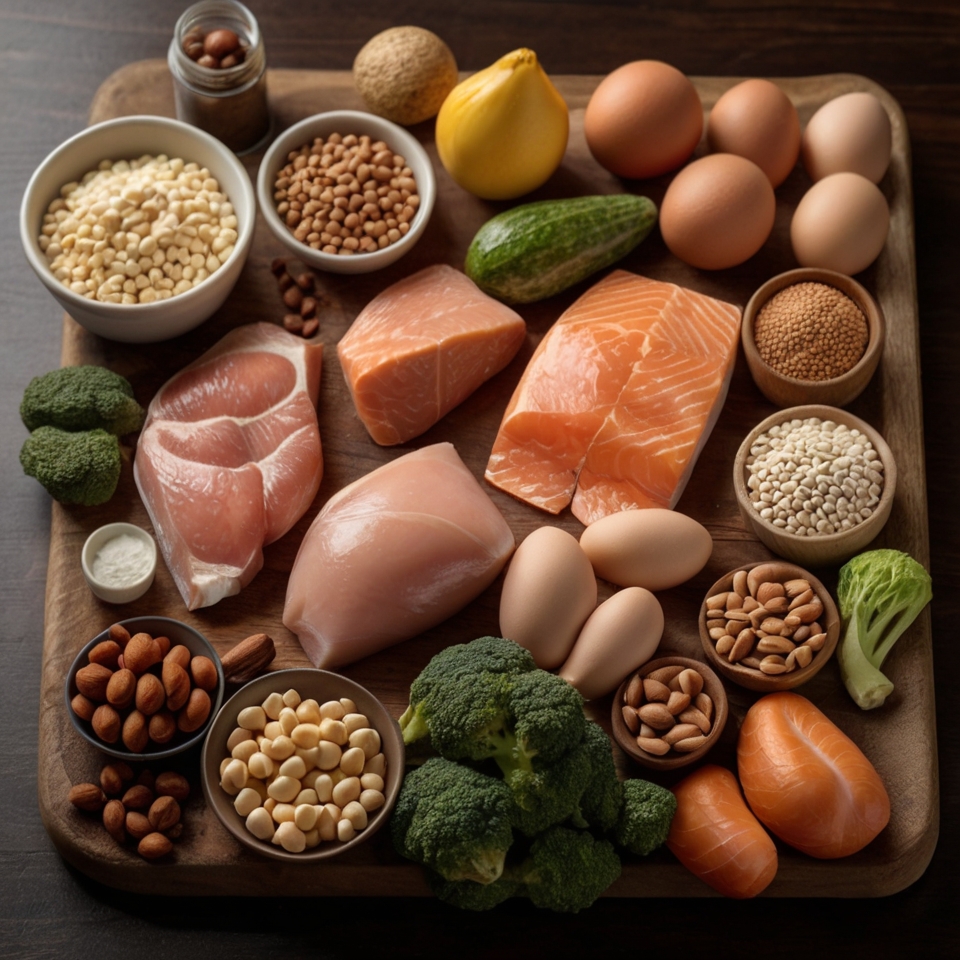
Best Foods Rich in Protein for Weight Management
The best protein sources provide high-quality nutrition while fitting into your overall calorie goals.
1. Eggs
Eggs are an affordable and versatile source of high-quality protein.
One large egg contains approximately 6 grams of protein.
Benefits include:
- Highly nutritious
- Rich in vitamins and minerals
- Easy to prepare
- Supports fullness
Try boiled eggs, omelets, or vegetable scrambles for a satisfying meal.
2. Greek Yogurt
Greek yogurt contains significantly more protein than regular yogurt.
A typical serving provides 15–20 grams of protein.
Choose plain, unsweetened varieties to avoid excess added sugar.
Pair Greek yogurt with:
- Berries
- Nuts
- Seeds
- Oats
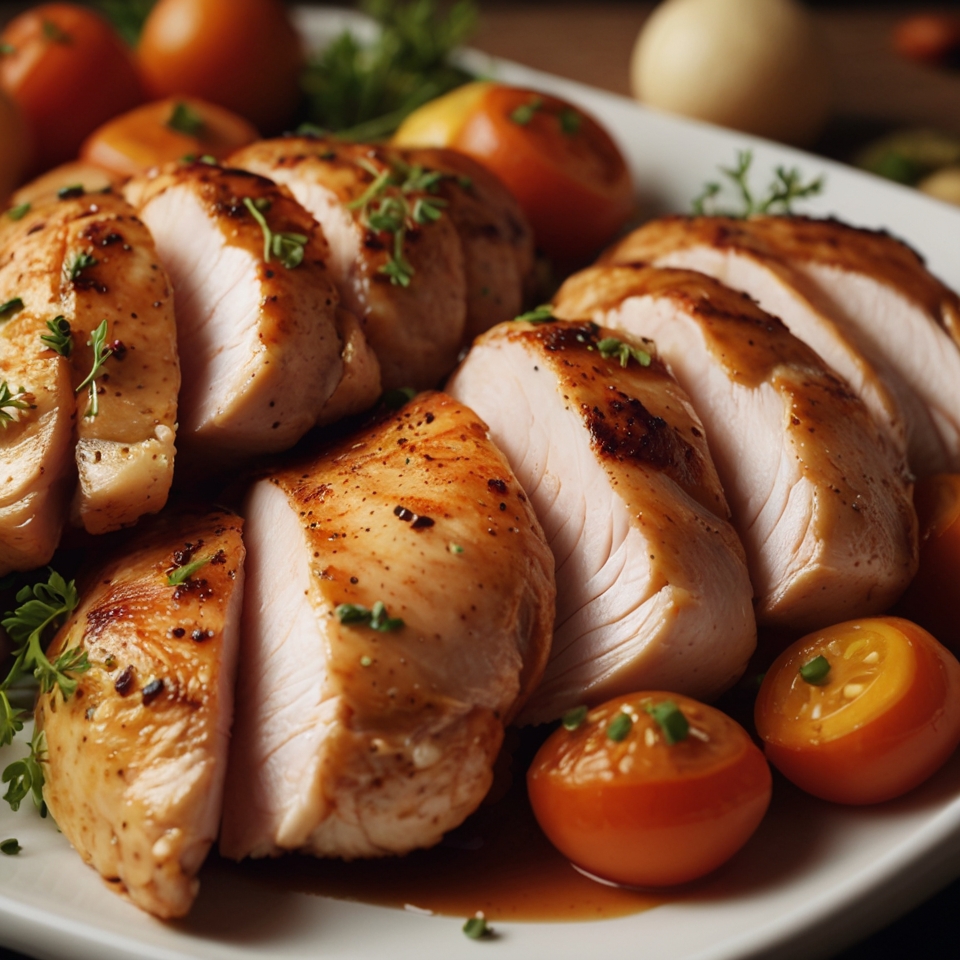
3. Chicken Breast
Skinless chicken breast is a popular choice for weight management.
A 100-gram serving provides approximately 31 grams of protein.
Chicken breast is:
- Low in fat
- High in protein
- Easy to include in meals
Grill, bake, or air-fry for healthier preparation.
4. Fish
Fish provides protein along with important nutrients such as omega-3 fatty acids.
Protein-rich options include:
- Salmon
- Tuna
- Sardines
- Cod
A 100-gram serving typically contains 20–25 grams of protein.

5. Cottage Cheese
Cottage cheese is a high-protein dairy option that works well as a snack or breakfast.
One cup may provide up to 25 grams of protein.
It also contains calcium and other important nutrients.
6. Lentils
Lentils are an excellent plant-based protein source.
One cooked cup provides approximately 18 grams of protein.
Additional benefits include:
- High fiber content
- Supports digestive health
- Budget-friendly
- Rich in iron
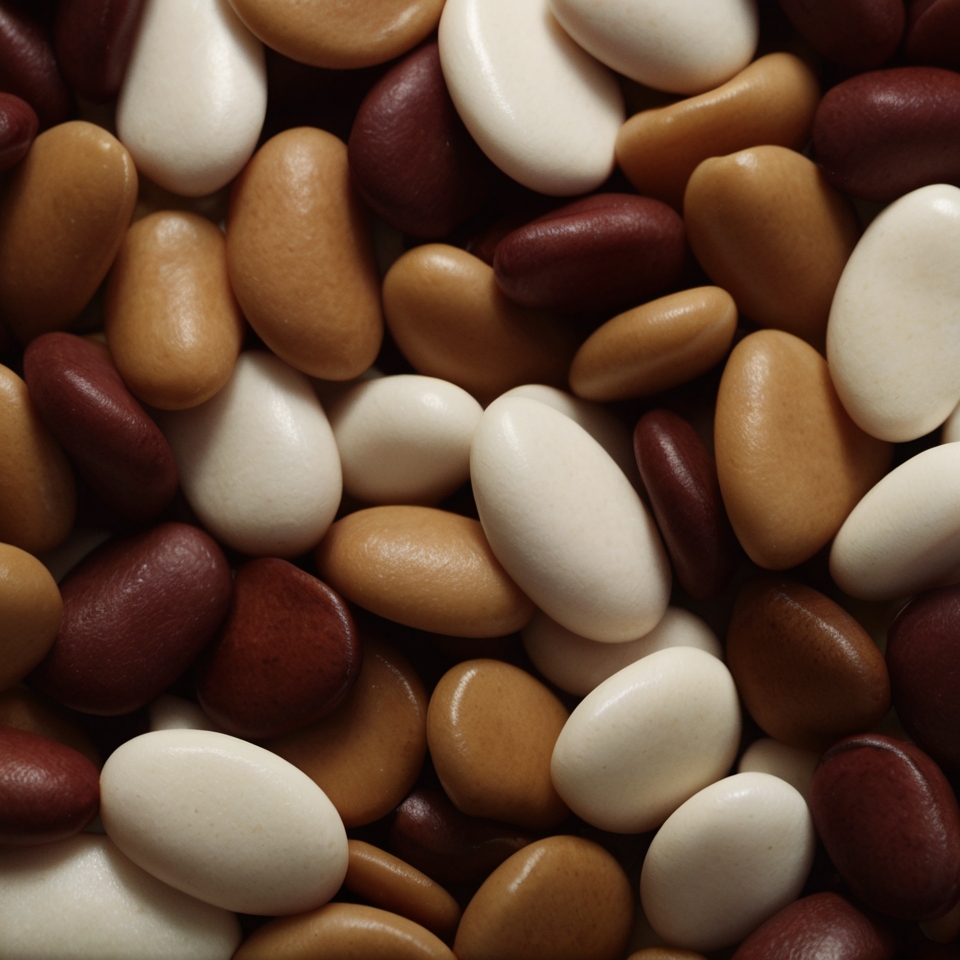
7. Beans
Beans are versatile, filling, and nutrient-dense.
Popular choices include:
- Black beans
- Kidney beans
- Chickpeas
- Navy beans
Most beans provide 12–15 grams of protein per cooked cup.
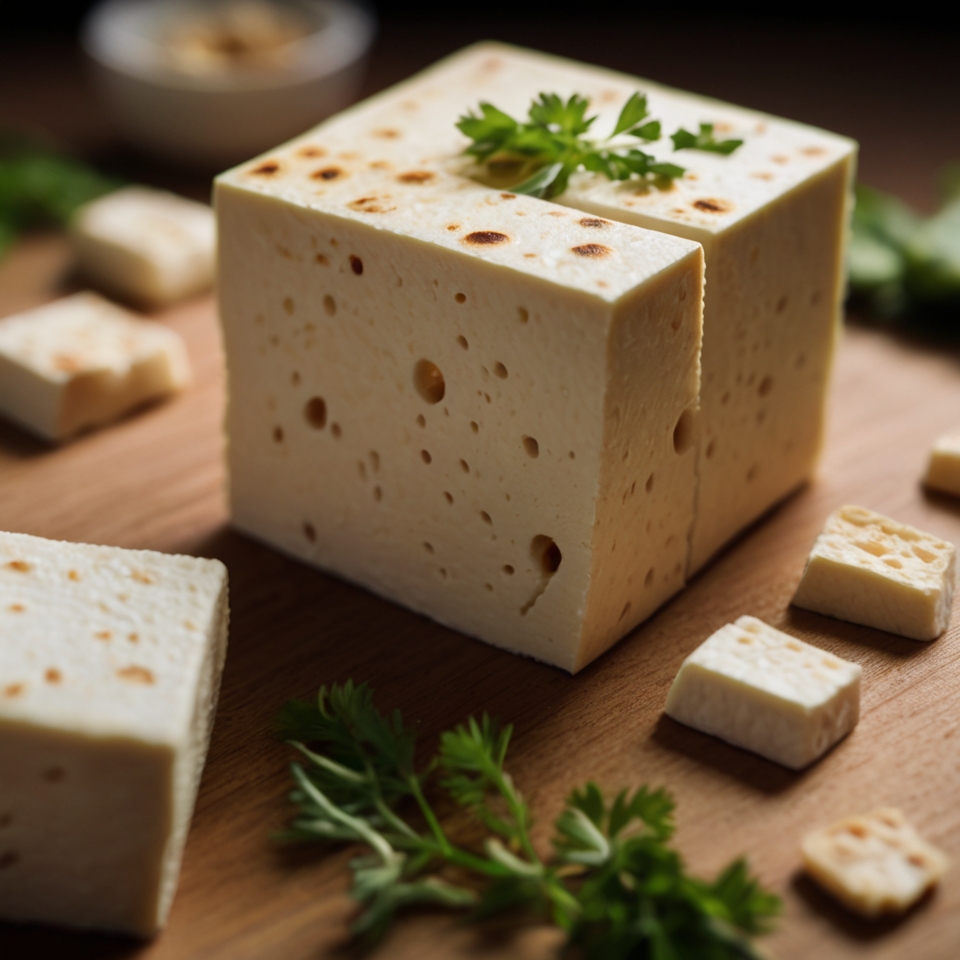
8. Tofu
Tofu is a popular protein source for vegetarians and vegans.
A 100-gram serving provides approximately 8–15 grams of protein, depending on the variety.
Tofu absorbs flavors well and works in many dishes.
9. Lean Beef
Lean cuts of beef provide high-quality protein, iron, and vitamin B12.
A 100-gram serving generally contains 25–30 grams of protein.
Choose lean cuts and enjoy them in moderation.
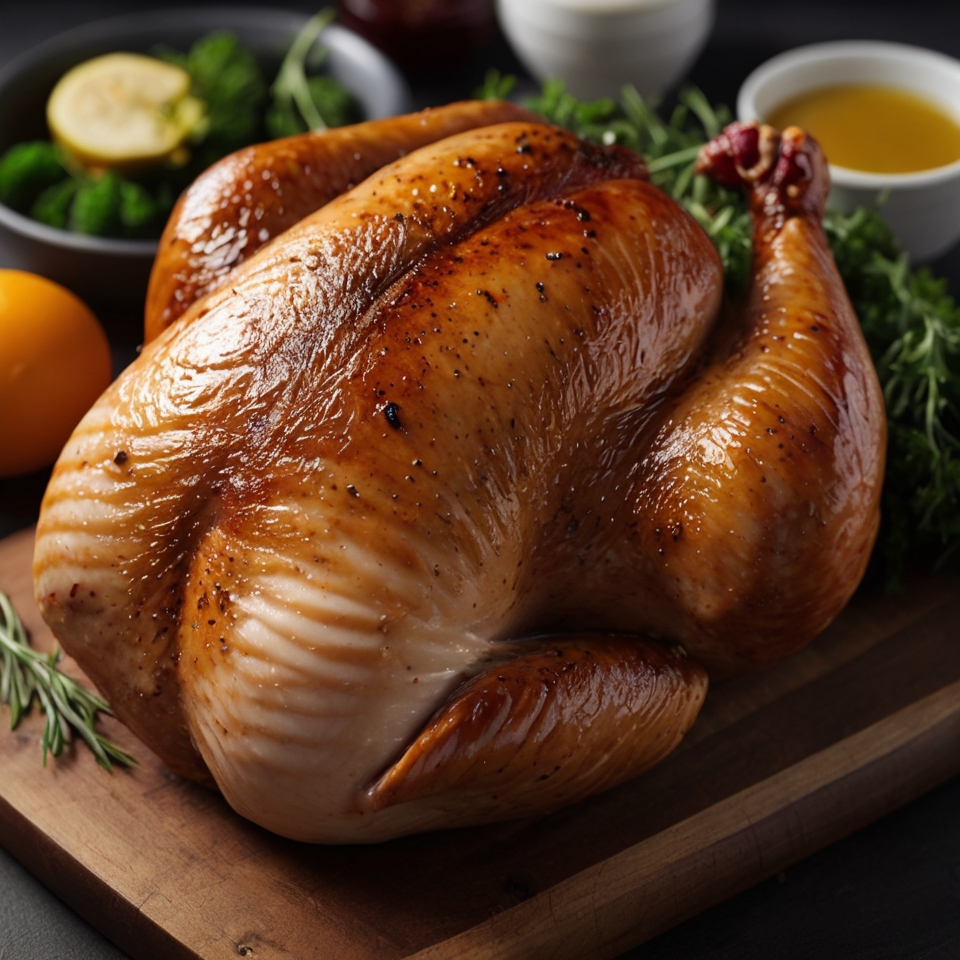
10. Turkey Breast
Turkey breast is another excellent lean protein option.
It provides approximately 29 grams of protein per 100 grams while remaining relatively low in fat.
11. Quinoa
Quinoa is a plant-based source of complete protein.
One cooked cup contains approximately 8 grams of protein.
It also provides:
- Fiber
- Magnesium
- Iron
- Complex carbohydrates
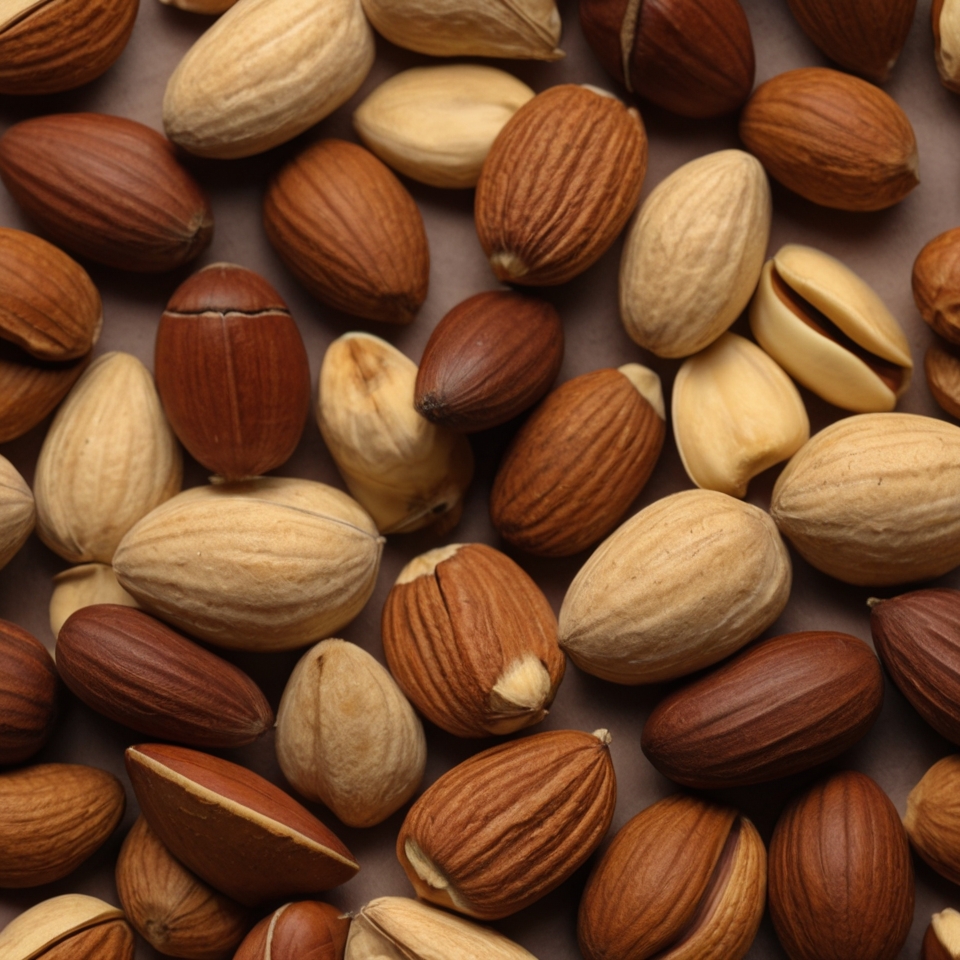
12. Nuts and Seeds
Although higher in calories, nuts and seeds offer protein, healthy fats, and fiber.
Good options include:
- Almonds
- Chia seeds
- Pumpkin seeds
- Pistachios
Pay attention to portion sizes because calories can add up quickly.
High-Protein Foods Comparison Table
| Food | Serving Size | Protein (Approx.) |
|---|---|---|
| Egg | 1 large | 6 g |
| Greek yogurt | 170 g | 17 g |
| Chicken breast | 100 g | 31 g |
| Salmon | 100 g | 22 g |
| Cottage cheese | 1 cup | 25 g |
| Lentils | 1 cup cooked | 18 g |
| Black beans | 1 cup cooked | 15 g |
| Tofu | 100 g | 12 g |
| Lean beef | 100 g | 26 g |
| Turkey breast | 100 g | 29 g |
| Quinoa | 1 cup cooked | 8 g |
| Almonds | 28 g | 6 g |
How to Add More Protein to Your Diet
Increasing protein intake does not have to be complicated.
Try these simple strategies:
Start Your Day With Protein
Choose breakfasts such as:
- Eggs and whole-grain toast
- Greek yogurt with berries
- Protein smoothies
- Cottage cheese with fruit
Include Protein in Every Meal
Aim to include a protein source at breakfast, lunch, dinner, and snacks.
Replace Processed Snacks
Swap chips and sugary snacks for:
- Hard-boiled eggs
- Greek yogurt
- Roasted chickpeas
- Nuts
Plan Meals Ahead of Time
Meal preparation makes it easier to reach your protein goals consistently.
Common Mistakes to Avoid
Relying Only on Protein Supplements
Whole foods provide vitamins, minerals, and fiber that protein powders often lack.
Supplements can be convenient but should not replace balanced meals.
Ignoring Total Calorie Intake
Protein supports weight management, but consuming more calories than you burn may still lead to weight gain.
Overlooking Fiber
Combining protein with fiber-rich foods helps improve fullness and digestive health.
Pair protein with:
- Vegetables
- Fruits
- Whole grains
- Legumes
Frequently Asked Questions
Which protein is best for weight loss?
Lean protein sources such as chicken breast, fish, eggs, Greek yogurt, lentils, and tofu are excellent choices for weight management.
Can eating more protein help reduce belly fat?
Higher-protein diets may support fat loss by increasing fullness and preserving muscle mass, especially when combined with exercise and a balanced diet.
How much protein should I eat daily to lose weight?
Many experts recommend consuming between 1.2 and 1.6 grams of protein per kilogram of body weight during weight loss.
Are plant-based proteins effective for weight management?
Yes. Foods such as lentils, beans, tofu, quinoa, and nuts can support healthy weight management.
Can you eat too much protein?
Excessive protein intake may not provide additional benefits for most people. A balanced diet that includes carbohydrates, healthy fats, and fiber is important.
Final Thoughts
Adding more foods rich in protein to your diet is one of the most effective strategies for healthy weight management.
Protein helps control hunger, supports muscle maintenance, and can make it easier to maintain a calorie deficit without feeling deprived.
Focus on including a variety of high-quality protein sources throughout the day, and combine them with regular physical activity, adequate hydration, and healthy lifestyle habits.
Small, consistent changes often lead to the best long-term results.
Blend Your Way to Better Health!
200+ Easy & Delicious Smoothie Recipes
Boost Energy, Melt Fat & Feel Amazing
Simple, Easy-To-Make Smoothies for Increased Energy & Incredible Health.
Over 200+ Delicious Smoothie and Juicing Recipes! Variety for Every Taste, From fruity classics to protein-packed power blends.
Achieve Your Goals! Dedicated sections covering muscle gain, detox, energy boosts, and healthy living.
Effortless & Quick! Simple instructions, perfect for busy mornings or post-workout fuel.
- Why Wait? Download Your Copy Now!