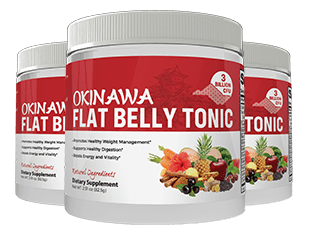
What Is Okinawa Flat Belly Tonic?
makes Okinawa Flat Belly Tonic is marketed as a powdered dietary supplement that is mixed with water rather than swallowed as a conventional capsule or tablet. Product websites describe it as a formula combining plant extracts, polyphenol-rich fruits, metabolic-support ingredients, prebiotic fiber, and probiotics. One currently available product label lists a polyphenol blend, a metabolic blend, inulin, and probiotic ingredients, while other versions of the product website describe additional vitamins and minerals. Because different websites associated with the product present somewhat different ingredient lists, consumers should check the actual package label they receive rather than relying only on a promotional webpage. That distinction matters because a supplement is ultimately defined by its actual formulation, serving size, ingredient amounts, and manufacturing information.The appeal of a formula like this is easy to understand: instead of buying separate antioxidant, digestive, and probiotic products, someone may prefer a single drink designed around several wellness categories. Still, the fact that a product contains many ingredients does not automatically mean it produces better results. The National Institutes of Health notes that weight-loss supplements commonly contain combinations of ingredients and that the effectiveness of many such combinations remains uncertain.
Table of Contents
Toggle
The interesting question, therefore, is not simply whether Okinawa Flat Belly Tonic contains many ingredients, but whether its formulation, evidence, transparency, and intended use make it meaningfully different from other supplements.Related article: What Is Okinawa Flat Belly Tonic? Complete Beginner’s Guide
The Powdered Tonic Format
One noticeable difference is the way the supplement is consumed. Instead of taking a traditional capsule, Okinawa Flat Belly Tonic is promoted as a powder that can be mixed into water and consumed as a drink. That format may appeal to people who dislike swallowing tablets or who already have a morning routine involving tea, coffee, smoothies, or other beverages. A powdered product can also create the feeling of a daily ritual, which may be useful for people who find routines easier to maintain than a collection of separate pills. However, the format itself should not be confused with evidence of greater effectiveness. A powder is simply a delivery form, and its benefits depend on what ingredients it contains, their amounts, their quality, and how consistently the product is used. This is an important distinction when reading supplement advertising because packaging and presentation can make a product appear dramatically different from another supplement even when the underlying ingredients overlap.

If someone is comparing Okinawa Flat Belly Tonic with capsules, gummies, powders, or teas, the most useful comparison is therefore the nutritional label rather than the appearance of the product. Look at serving size, active ingredients, quantities, proprietary blends, added sweeteners, stimulants, allergens, and directions. That approach turns a marketing comparison into a practical nutrition comparison and makes it easier to decide whether the product actually fits an individual’s needs.
Related article: Powder vs Capsules: Which Supplement Format Is Better?
The Multi-Ingredient Formula
The formula is also presented as a combination product rather than a single-ingredient supplement. Current product information identifies ingredients such as green tea extract or EGCG, hibiscus, various berries and fruit extracts, ginger, turmeric, bitter melon, black pepper extract, inulin, and probiotic strains, although ingredient lists differ between product websites. One current product page lists a 2,150 mg polyphenol blend, a 465 mg metabolic blend, 100 mg of inulin, and probiotic ingredients. That kind of combination is intended to address several areas at once, particularly antioxidant intake, digestion, and metabolic support. But there is an important scientific caveat: evidence for one ingredient cannot automatically be transferred to the whole finished product. If a study examines green tea extract, for example, that does not prove that a supplement containing green tea plus berries, fiber, spices, and probiotics will produce the same outcome.
Researchers also point out that supplement formulations, doses, study populations, and durations can vary considerably. The NIH specifically notes that many weight-loss supplements contain multiple ingredients and that it can be difficult to determine how those ingredients interact or whether a particular combination works. For that reason, the multi-ingredient design is best understood as a formulation characteristic, not proof that the product is superior.
Related article: How Multi-Ingredient Supplements Work
How Is Okinawa Flat Belly Tonic Different From Typical Supplements?
The biggest claimed difference is its attempt to combine several wellness concepts into one product. Many supplements focus narrowly on one ingredient or one nutritional purpose: a fiber product may concentrate on digestive health, a probiotic may focus on gut bacteria, and a green tea extract may be marketed around antioxidant or metabolic properties. Okinawa Flat Belly Tonic is positioned differently by combining multiple categories in one drink. Its current product information describes polyphenol-rich fruit ingredients, metabolic-support compounds, digestive ingredients, and probiotics. That broad approach can sound attractive because human health is interconnected; digestion, eating patterns, physical activity, sleep, energy, and body weight do not operate in completely separate boxes.Yet a broad ingredient list also creates a challenge. More ingredients mean more variables, and it becomes harder to determine which component contributes to any observed effect.
It can also make it harder for consumers to identify the exact dose of each ingredient, particularly when several components are grouped into proprietary blends. The NIH recommends looking carefully at ingredient amounts and recognizing that the research supporting individual ingredients may not establish that a finished supplement will produce the same results. In other words, what makes this tonic different is primarily its combination-based formulation and drinkable format, rather than evidence that it has a unique ability to eliminate abdominal fat.
Related article: What Are Proprietary Blends in Supplements?
A Focus on Metabolism, Digestion, and Antioxidants
The product’s marketing centers on three broad ideas: metabolism, digestion, and antioxidant support. These are familiar concepts in the supplement industry, but they are also areas where consumers can easily encounter exaggerated claims. Metabolism is often presented as though it were a simple switch that can be dramatically accelerated by one ingredient. In reality, energy expenditure is influenced by body size, muscle mass, activity, food intake, age, genetics, and many other factors. Digestion is similarly complex, involving the gastrointestinal tract, dietary fiber, gut microorganisms, hydration, food choices, and individual tolerance. Antioxidants are another broad category rather than a single magic nutrient. The presence of antioxidant compounds in a supplement does not automatically mean that taking the product will cause measurable fat loss.Current NIH guidance explains that evidence for many weight-loss supplements is limited and that proven weight-management strategies remain centered on healthy eating, calorie management, and physical activity.

That does not make the ingredients irrelevant; it simply places them in the right context. A supplement can potentially complement a lifestyle, but it should not be treated as a replacement for the foundations of healthy weight management.
Related article: How Metabolism Really Works
Why the Ingredient Combination Matters
Ingredient combinations deserve careful attention because two supplements with similar marketing language can have very different formulations. For example, one product might contain a meaningful amount of a particular fiber while another lists the ingredient only as part of a blend without revealing the individual quantity. The same issue applies to botanical extracts and probiotics. A probiotic label can identify a species or strain, but the amount, viability, storage conditions, and timing can all affect how useful that information is. Current NIH material also emphasizes that different probiotic strains may have different effects and that evidence relating probiotics to body weight remains inconsistent. This means consumers should avoid assuming that “probiotic” automatically means “weight loss.” The same principle applies to green tea extract, berry extracts, and other botanicals. A scientifically interesting ingredient is not automatically a clinically proven weight-loss treatment.

When evaluating Okinawa Flat Belly Tonic, the combination matters because it tells you what the manufacturer intends the product to do, but the scientific question remains whether the particular formulation and doses have been tested in high-quality human trials. That is a much higher standard than simply finding a study about one ingredient somewhere in the scientific literature.
Related article: How to Read a Supplement Facts Label
What Ingredients Are Associated With the Formula?
Current product information associated with Okinawa Flat Belly Tonic describes a broad selection of plant-based ingredients. Depending on the product page, these include green tea or EGCG, hibiscus, acai, aronia berry, mulberry, bitter melon, ginger, turmeric, black pepper extract, inulin, and probiotic organisms. One current label also identifies a large polyphenol blend containing numerous fruit and plant ingredients. This variety is part of the product’s identity, but it also demonstrates why ingredient-by-ingredient evaluation is important. Some of these ingredients have been studied for specific biological effects, while others have much weaker evidence for weight management. Green tea, for example, has been investigated in human trials, but NIH describes any weight effect as small and potentially not clinically meaningful. Probiotics have also been studied extensively, yet findings concerning body weight are inconsistent and appear to depend on the strain, dose, duration, and characteristics of the person taking them.

Inulin is a prebiotic fiber rather than a conventional fat-burning ingredient, and its main nutritional role relates to fermentation by gut microorganisms. These distinctions are valuable because they prevent every ingredient from being placed into the same “fat burner” category. A thoughtful article about this tonic should therefore separate what the manufacturer claims from what scientific research has actually established.
Related article: Okinawa Flat Belly Tonic Ingredients Explained
Green Tea and EGCG
Green tea is one of the better-known ingredients associated with weight-management supplements. Its catechins include epigallocatechin gallate, commonly called EGCG, and green tea products have been studied for their potential effects on energy expenditure and fat oxidation. However, the research does not support the idea that green tea extract is a powerful standalone fat-burning solution. The NIH Office of Dietary Supplements reports that green tea might contribute to a small amount of weight loss, while broader evidence suggests that any effect is generally modest. The form also matters because drinking green tea as a beverage is not identical to taking a concentrated green tea extract. The NIH notes that green tea extract can cause gastrointestinal symptoms and has been associated with liver problems in some people. That is why consumers should pay attention to the actual extract, dosage, caffeine content, and instructions rather than assuming that “green tea” is automatically harmless simply because ordinary tea is widely consumed.

Within Okinawa Flat Belly Tonic, green tea-related compounds are part of a larger blend, so the product should not be evaluated solely on studies of isolated EGCG. The scientifically responsible position is that green tea compounds are interesting and researched, but their presence does not establish that the finished tonic will cause significant belly-fat reduction.
Related article: Does Green Tea Help With Weight Loss? What Research Says
Inulin and Digestive Support
Inulin represents a different category of ingredient. Rather than being primarily marketed as a stimulant, it is a prebiotic fiber that can be used by certain microorganisms in the digestive tract. That makes it relevant to gut health and digestive function, but it should not automatically be described as a fat-burning compound. Inulin can also affect people differently. Some individuals tolerate it comfortably, while others may experience gas, bloating, abdominal discomfort, or changes in bowel habits, particularly when increasing fiber intake quickly. This is an excellent example of why “natural” and “healthy” are not interchangeable terms. A substance can have legitimate nutritional value while still producing unwanted effects in certain people or at certain doses. The overall dietary context matters too. Someone who already consumes substantial amounts of fiber from vegetables, legumes, whole grains, fruit, nuts, and seeds may respond differently from someone whose usual diet contains very little fiber.
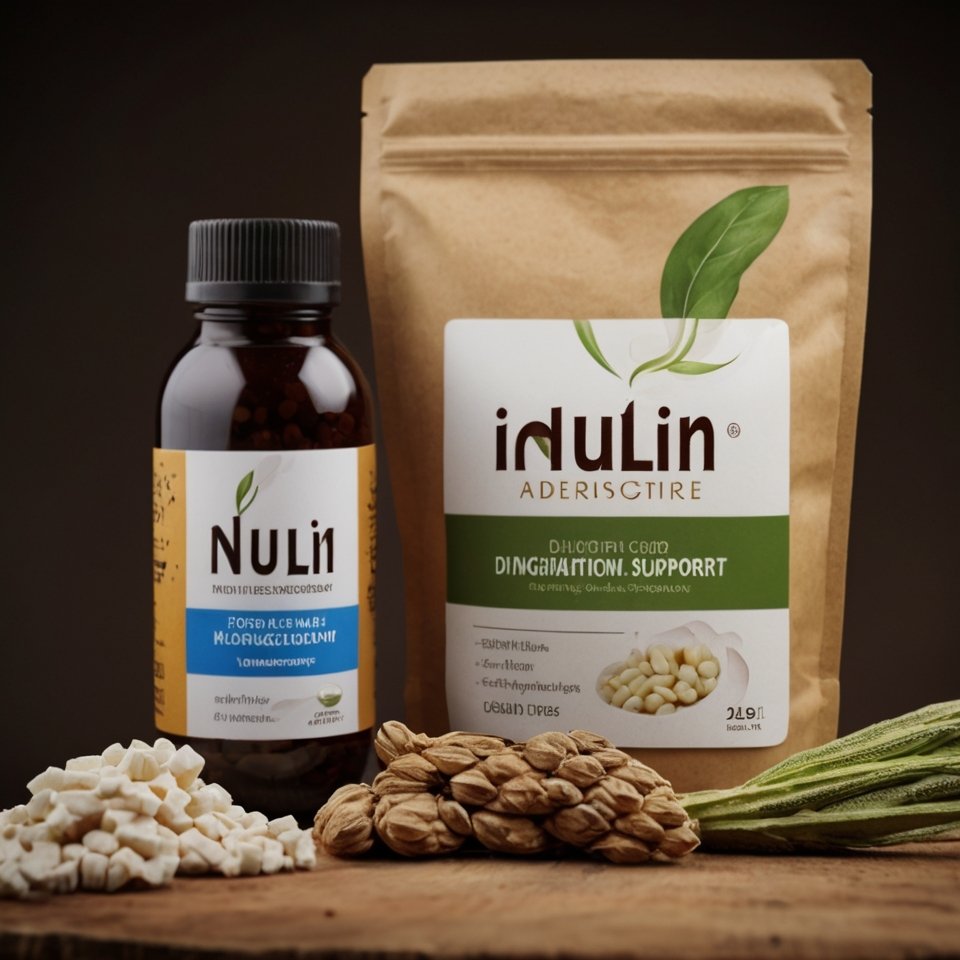
The most useful way to think about inulin in a product like this is as part of its digestive-support strategy rather than proof of a direct belly-fat effect. A balanced diet remains the larger source of dietary fiber, while a supplement should be considered an optional addition rather than the foundation of digestive health.
Related article: What Is Inulin and How Does It Support Gut Health?
The Role of Plant Extracts and Polyphenols
The large collection of fruit and plant extracts is another feature that makes Okinawa Flat Belly Tonic look different from a simple single-ingredient supplement. Product information describes ingredients such as aronia berry, acai, mulberry, hibiscus, blueberry, cranberry, pomegranate, grape-derived ingredients, beetroot, and other plant foods. These ingredients contain various phytochemicals and polyphenols, which are naturally occurring compounds found in many fruits, vegetables, tea, herbs, and spices. From a nutritional perspective, that diversity is interesting because plant foods provide many different compounds rather than one isolated nutrient. But a supplement containing plant extracts is not equivalent to eating a varied diet. Whole foods provide fiber, water, vitamins, minerals, protein, and other nutritional components in a natural food matrix. Also, antioxidant capacity measured in a laboratory does not automatically translate into a specific clinical outcome such as substantial weight loss.

This is where supplement marketing can become confusing. A long ingredient list may look impressive, but quantity, bioavailability, human evidence, and product-specific testing are more informative than the number of ingredients. Consumers should therefore treat the plant blend as one part of the product’s overall formulation and avoid assuming that every berry or botanical has a proven independent effect on abdominal fat.
Related article: What Are Polyphenols and Why Do They Matter?
Why Probiotics Are Included
Probiotics are included in some versions of the formula because of growing interest in the relationship between the gut microbiome, digestion, and metabolic health. Probiotics are live microorganisms that can provide health benefits under specific circumstances, but their effects are not universal. Different strains can behave differently, and a finding involving one strain cannot simply be applied to every probiotic product. NIH research summaries describe the evidence surrounding probiotics and weight as inconsistent, with some studies reporting small changes and others finding little or no meaningful effect. That nuance is important because supplement advertisements sometimes turn the complicated science of the microbiome into a simple message: better gut bacteria equals effortless weight loss. Human biology rarely works that neatly. Gut health is influenced by dietary fiber, overall food quality, physical activity, medications, sleep, stress, illness, and many other factors.

If someone is interested in the probiotic component of Okinawa Flat Belly Tonic, checking the actual strains and colony-forming units on the label is more useful than focusing only on the word “probiotic.” A person with a medical condition, weakened immune system, or other health concerns should also discuss probiotic supplements with a qualified healthcare professional before using them.
Related article: Probiotics and Weight Management: What Does the Science Say?
Does Okinawa Flat Belly Tonic Actually Support Weight Loss?
This is probably the most important question surrounding the product, and it deserves a careful answer rather than a dramatic promise. Product websites market Okinawa Flat Belly Tonic for healthy weight management, metabolism, digestion, energy, and related goals. However, those marketing claims should not be confused with evidence from a large, independent clinical trial showing that the finished product produces a specific amount of weight or abdominal-fat loss. NIH guidance explains that there is little scientific evidence that weight-loss supplements as a broad category produce substantial or reliable weight loss, and many products have not been adequately tested in large, long-term human studies. Even when an individual ingredient shows a small effect, that does not prove that a particular combination will produce the same result. The FDA also explains that dietary supplements are not generally approved for safety and effectiveness before they reach the market in the same way prescription medicines are.

Therefore, the fairest answer is that Okinawa Flat Belly Tonic has a formulation designed around ingredients associated with metabolism, digestion, antioxidants, and gut health, but consumers should not assume that the product itself has been clinically proven to deliver dramatic belly-fat reduction. Weight management remains primarily dependent on dietary patterns, energy balance, physical activity, sleep, and sustainable habits.
Related article: Can Supplements Really Help With Weight Loss?
How It Compares With Single-Ingredient Supplements
A single-ingredient supplement and a multi-ingredient tonic serve different purposes. If someone wants a specific nutrient because their healthcare professional has identified a deficiency, a targeted supplement may make more sense than a broad formula containing dozens of compounds. On the other hand, some consumers prefer combination products because they are convenient and reduce the number of separate products they need to take. Okinawa Flat Belly Tonic fits the second model. Its marketing combines several categories of ingredients into one powdered drink, which may be convenient for people who prefer an all-in-one routine. The trade-off is transparency and precision. With a single ingredient, it is usually easier to identify the dose and compare it with research studies. With a multi-ingredient blend, you may have difficulty determining how much of each component is present, especially if a proprietary blend provides only a combined weight.This is one reason label reading matters so much. The goal should not be to choose the product with the longest ingredient list.
Instead, compare the specific ingredients, doses, evidence, potential interactions, cost per serving, and whether the product addresses a genuine nutritional need. Convenience has value, but convenience should not replace critical evaluation.
Related article: Single-Ingredient vs Multi-Ingredient Supplements
What the Research Says About Weight-Loss Supplements
Scientific evidence provides a useful reality check for almost every weight-loss supplement. The NIH Office of Dietary Supplements states that proven approaches to weight loss include eating healthful foods, reducing calorie intake when appropriate, and being physically active, while evidence for many weight-loss supplements is limited. NCCIH similarly warns consumers to be cautious about products promising quick or dramatic results and notes that many supplements marketed for rapid weight loss have not been proven safe or effective. This does not mean every supplement is useless; it means the evidence has to be examined ingredient by ingredient and product by product. Green tea, for example, has shown possible modest effects in some research, but NIH describes those effects as small. Probiotic research is also mixed, with outcomes varying according to strain and study design. Berberine, another popular ingredient in the broader weight-loss supplement market, has shown potentially interesting findings in some studies, but NCCIH says the evidence remains inconclusive and more high-quality research is needed.
These examples demonstrate why a supplement should not be judged by testimonials, before-and-after photographs, or a list of scientific-sounding ingredients alone. A strong health article should distinguish biological plausibility, ingredient research, and clinical proof of the finished product.
Related article: Best Evidence-Based Weight-Loss Strategies
Potential Benefits and Limitations
The potential appeal of Okinawa Flat Belly Tonic comes from its combination of convenience and ingredient diversity. A person who enjoys a morning drink may find a powder easier to incorporate into a routine than several separate capsules. The formulation also includes ingredients associated with dietary fiber, plant polyphenols, probiotics, and botanical extracts, giving the product a broad wellness positioning. Those are reasonable characteristics to consider, but they should be balanced against limitations. One major limitation is the absence of strong evidence establishing that the complete commercial formula produces substantial, long-term weight loss. Another is that some product websites present different ingredient lists or formulations, making it particularly important to verify the label on the actual product. There can also be potential interactions or side effects from individual ingredients. Concentrated green tea extract, for example, has different safety considerations from ordinary brewed green tea, while inulin can cause digestive symptoms in some people.

People taking medications or managing conditions such as diabetes, high blood pressure, liver disease, or heart disease should be especially careful with weight-loss supplements. A healthcare professional can help determine whether a supplement is appropriate and whether any ingredient could interfere with medication or treatment.
Related article: Are Natural Weight-Loss Supplements Safe?
How to Read the Ingredient Label
Before buying any supplement, learn to read the label like a detective rather than a shopper responding to advertising. Start with the serving size because every amount listed on the label depends on how much the manufacturer considers one serving. Then look for the exact quantities of active ingredients. If several ingredients are grouped into a proprietary blend, check whether the total blend weight is provided and whether individual amounts are disclosed. Look for the names of botanical extracts and, where relevant, the plant part used and standardization information. With probiotics, examine the strains and colony-forming-unit information rather than simply accepting a large number on the front of the package. Also check the other ingredients, including sweeteners, flavors, fillers, allergens, and stimulants. The FDA advises consumers to follow label directions and consult healthcare professionals because some ingredients can cause problems when consumed in high amounts, used for long periods, or combined with medicines or foods. This label-first approach can reveal differences between products that otherwise appear almost identical online.
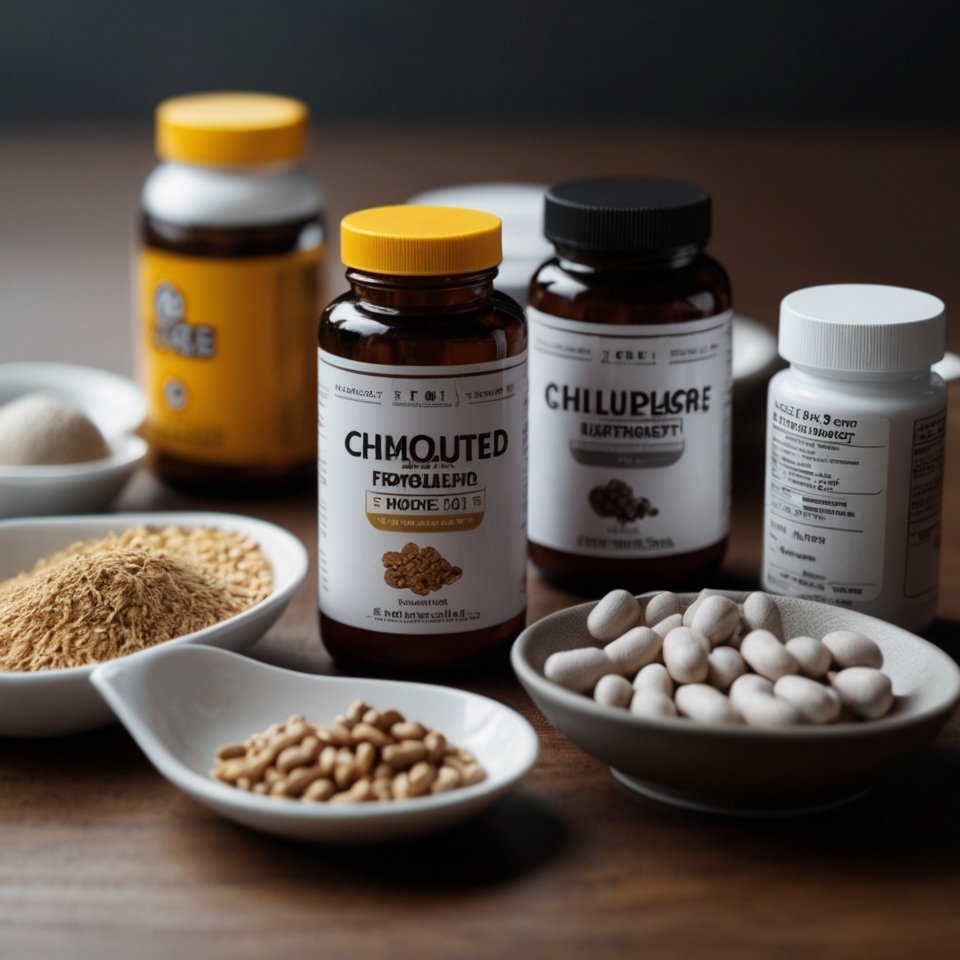
It also helps separate meaningful nutritional information from advertising language. If a product promises dramatic results but provides little information about exact quantities, that is a reason to slow down and investigate rather than rush into a purchase.
Related article: 10 Things to Check Before Buying a Dietary Supplement
Who Should Be Careful With Weight-Loss Supplements?
Weight-loss supplements deserve additional caution for people who take prescription medications or have underlying medical conditions. NIH specifically recommends speaking with a healthcare provider before using weight-loss supplements, particularly for people with conditions such as high blood pressure, diabetes, heart disease, or liver disease. That advice is not limited to Okinawa Flat Belly Tonic; it applies broadly to the category. The reason is straightforward: “natural” does not mean biologically inactive. Plant extracts can affect the body, interact with medications, influence blood pressure or blood sugar, or cause gastrointestinal symptoms. Concentrated extracts can also differ substantially from the foods or beverages from which they originate. Pregnant or breastfeeding individuals, people preparing for surgery, and those taking multiple medications should seek professional advice before starting a new supplement. Anyone who develops unusual symptoms after beginning a supplement should stop and seek appropriate medical guidance. Supplements also should not replace prescribed medicines or a nutritionally adequate diet.

The FDA advises consumers to be informed and to discuss supplement use with a doctor, pharmacist, or other qualified healthcare professional. A responsible approach is therefore not “supplements are bad” or “supplements are amazing.” It is to ask whether the specific product, ingredients, doses, and circumstances make sense for the individual.
Related article: Who Should Avoid Weight-Loss Supplements?
Okinawa Flat Belly Tonic and a Healthy Lifestyle
The most sensible way to think about any supplement is as a possible addition to a healthy lifestyle rather than the engine that drives it. Imagine weight management as a house. Nutrition, physical activity, sleep, stress management, and consistent habits form the foundation and walls; a supplement, if appropriate, is more like an optional furnishing. Adding a beautiful lamp does not repair a weak foundation. The same principle applies here. If someone is eating a balanced diet, staying physically active, getting adequate sleep, and following a sustainable calorie pattern when weight loss is medically appropriate, a supplement can be considered within that broader routine. But relying on a powder while ignoring food quality, portion sizes, movement, or sleep is unlikely to create a sustainable transformation. NIH guidance emphasizes healthy eating and physical activity as established approaches to weight management. That does not mean people cannot enjoy a convenient wellness drink. It simply means expectations should remain realistic.
The strongest long-term strategy is usually the one a person can maintain for months and years rather than the one that promises the fastest visible change. A supplement may fit into that strategy, but it should not become the strategy itself.
Related article: Mindful Eating for Healthy Weight Management
Conclusion
What makes Okinawa Flat Belly Tonic different from many other supplements is primarily its multi-ingredient powdered format and its attempt to combine digestive, antioxidant, probiotic, and metabolic-support ingredients in one daily drink. Current product information highlights ingredients such as green tea compounds, plant polyphenols, inulin, botanical extracts, and probiotics, although the exact formulations shown across product websites are not completely consistent. That is why checking the actual supplement label is more important than relying solely on promotional descriptions. The scientific evidence surrounding individual ingredients is mixed: some have interesting research behind them, while others have limited or inconsistent evidence for meaningful weight loss. NIH and NCCIH both caution that most weight-loss supplements should not be viewed as proven shortcuts to lasting weight management. The practical lesson is simple: evaluate the ingredients, quantities, evidence, safety information, and your own circumstances before deciding whether a supplement belongs in your routine. Most importantly, keep the bigger picture in view.

Healthy eating, physical activity, sleep, and sustainable habits remain the foundation, while a supplement—if appropriate—should occupy a supporting role rather than promise to do all the work.
Frequently Asked Questions
Is Okinawa Flat Belly Tonic different from ordinary weight-loss pills?
Yes, the main advertised difference is its powdered drink format and multi-ingredient formulation. Product information describes combinations of plant extracts, polyphenols, metabolic-support ingredients, prebiotic fiber, and probiotics. That makes its formulation different from a single-ingredient capsule, but being different does not automatically mean being more effective. The strength of the evidence still depends on the specific ingredients, doses, formulation, and human research available.
Does Okinawa Flat Belly Tonic specifically burn belly fat?
Claims about specifically targeting abdominal fat should be treated cautiously. A supplement cannot be assumed to selectively remove fat from one area of the body simply because its marketing uses terms such as “flat belly.” Current NIH guidance indicates that evidence for many weight-loss supplements is limited. Sustainable changes in body composition generally involve overall energy balance, dietary patterns, physical activity, and other lifestyle factors rather than a supplement selectively melting abdominal fat.
Does the tonic contain probiotics?
Some current product information lists probiotic ingredients along with prebiotic inulin. However, product pages show differences in the exact formulation, so consumers should check the ingredient label on the specific product they are considering. Probiotic effects also vary by strain, dose, and individual circumstances. Research does not establish that simply taking a probiotic supplement guarantees meaningful weight loss.
Is green tea extract the same as drinking green tea?
No. Drinking green tea and consuming a concentrated green tea extract can expose the body to different amounts of active compounds. NIH notes that ordinary green tea is generally safe as a beverage, while green tea extracts have been associated with side effects and, in some people, liver injury. Consumers should therefore pay attention to the amount and form of green tea extract in a supplement rather than assuming that all green-tea products have identical safety profiles.
Should I talk to a healthcare professional before taking it?
If you take medications, have a medical condition, are pregnant or breastfeeding, or have concerns about supplement safety, professional advice is appropriate. NIH and FDA guidance recommends discussing dietary supplement use with a healthcare professional because ingredients can interact with medications or cause adverse effects. Even healthy adults can benefit from checking the label carefully and understanding what they are taking before starting a new supplement.
drink this Japanese tonic in the morning to burn 3 lbs every 3.5 days
A maverick Japanese doctor recently leaked the secret formula of an ancient Japanese Tonic that targets the root cause of deep belly fat and activates a powerful, little-known fat-burning hormone inside you…that MELTS away all your stubborn body fat.
Firefighter Mike Banner’s 45-year-old sister, Susan, lost 54 pounds in only 7 weeks with no exercise due to osteoarthritis in her damaged knee.
=> Discover the Ancient Japanese Tonic to Melt 3 Pounds Every 3.5 Days