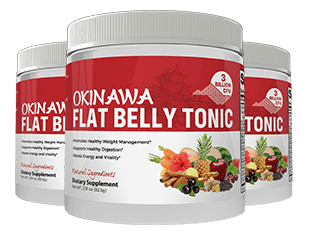
What Is Okinawa Flat Belly Tonic? Complete Beginner's Guide
If you have searched for ways to support weight management, improve digestion, or reduce the appearance of a bloated stomach, you may have come across Okinawa Flat Belly Tonic. The product is marketed as a powdered drink that you mix with water and is promoted around the traditional Okinawan lifestyle and the idea of supporting metabolism, digestion, energy, and healthy weight management. Product pages describe formulas containing combinations of plant extracts, polyphenols, green tea, ginger, turmeric, spices, fiber, and probiotics, although the exact ingredient list appears to vary between versions and websites selling the product.
Table of Contents
ToggleThat immediately raises an important question: what is Okinawa Flat Belly Tonic actually supposed to do, and does the science support the promises made in its marketing? The answer is more nuanced than a simple yes or no. Some ingredients found in the formula have been studied individually, but evidence that a particular commercial blend can produce significant belly-fat loss is much more limited.

The National Institutes of Health explains that most weight-loss supplements have limited evidence behind them, and effects from individual ingredients can be modest, inconsistent, or dependent on dose and formulation.
This beginner’s guide looks at what the product is, how it is marketed, the ingredients commonly listed for it, what research says about those ingredients, potential benefits and limitations, safety considerations, and what to look for before deciding whether a supplement belongs in your routine.
What Is Okinawa Flat Belly Tonic?
Okinawa Flat Belly Tonic is a powdered dietary supplement marketed as a drink for digestion, metabolism, energy, and weight management. Rather than being a conventional tea made from a single Okinawan plant, it is presented as a multi-ingredient formula containing different botanical extracts, antioxidant compounds, digestive ingredients, and probiotic or prebiotic components. Current product pages describe the tonic as something that can be mixed with water and consumed as part of a daily routine, with some sellers recommending use earlier in the day.
The name connects the product with Okinawa, Japan, a region frequently discussed in relation to longevity and traditional dietary patterns. However, the existence of a healthy traditional diet in Okinawa should not automatically be interpreted as proof that a modern commercial supplement reproduces the benefits of that lifestyle.

A powdered supplement and a whole dietary pattern are two very different things. Traditional eating habits involve food quality, portion patterns, physical activity, social connections, sleep, and many other lifestyle factors that cannot simply be compressed into one scoop of powder.
The product’s marketing commonly focuses on ideas such as supporting fat oxidation, improving digestion, reducing bloating, supporting healthy blood sugar, and encouraging a healthier metabolism. Some product websites also describe the formula as containing antioxidants and ingredients intended to support gut health. The sensible way to interpret those statements is as marketing claims rather than proof that the finished product will cause substantial weight loss. A supplement can contain interesting ingredients without the finished combination having been demonstrated in a large, independent clinical trial.
Why Is It Called an “Okinawa” Tonic?
The word Okinawa gives the product a strong wellness identity because Okinawa is widely associated with longevity and traditional Japanese dietary habits. That association is part of the product’s story, but it is important to separate cultural inspiration from scientific proof. A person who eats a traditional Okinawan-style diet is not necessarily consuming the same ingredients, concentrations, or combinations found in a commercial supplement called Okinawa Flat Belly Tonic.
Traditional Okinawan food patterns have historically included vegetables, sweet potatoes, legumes, sea vegetables, and other minimally processed foods, alongside lifestyle practices that are quite different from simply taking a supplement. A product can therefore be described as Okinawan-inspired without being equivalent to the Okinawan diet itself.

This distinction matters because consumers sometimes assume that a product carrying the name of a long-lived population must have been scientifically proven to reproduce that population’s health outcomes.
There is another important issue: longevity is not the same thing as belly-fat reduction. Living a long and healthy life involves numerous factors, including genetics, diet, physical activity, social environment, healthcare, and socioeconomic circumstances. A supplement cannot reasonably be credited with all of those factors merely because its branding refers to a longevity-associated location.
For beginners, the simplest way to think about the name is this: Okinawa Flat Belly Tonic uses the image and reputation of Okinawa as part of its marketing identity, while the actual formula consists of a collection of nutritional and botanical ingredients. The ingredients themselves need to be evaluated individually and as a complete formula rather than judged by the word “Okinawa” alone.
What Ingredients Are Found in Okinawa Flat Belly Tonic?
One of the most important things to understand is that different online pages appear to describe somewhat different versions or presentations of the formula. Some product pages list a polyphenol blend containing numerous fruit and plant extracts, a metabolic blend containing ingredients such as green tea, ginger, turmeric, cinnamon, bitter melon, black pepper and shilajit, and a digestive or probiotic blend. Other pages list somewhat different ingredients or quantities.
One independently published ingredient listing describes a serving as containing a polyphenol blend, a metabolic blend of approximately 400 mg, a digestive blend of approximately 700 mg, and a nine-strain probiotic blend providing 3 billion CFU at manufacture. The listed ingredients include fruits and plant extracts, cinnamon bark, green tea, ginger, turmeric, shilajit, bitter melon, black pepper, oat-hull fiber, inulin, and multiple Lactobacillus and Bifidobacterium strains.

Other current pages list a metabolic blend of approximately 465 mg and identify ingredients including shilajit extract, ginger root, cinnamon bark extract, green tea extract, white tea extract, turmeric extract, bitter melon extract, and black pepper fruit extract, together with prebiotic and probiotic ingredients.
Because these lists are not completely consistent, beginners should not assume that every bottle or website has exactly the same formula. Always read the Supplement Facts panel on the specific product you intend to purchase. The label, serving size, amounts of individual ingredients, manufacturer information, lot information, and directions are much more useful than a generic ingredient list copied from a review website.
Green Tea and EGCG: Does It Really Burn Fat?
Green tea extract is one of the most recognizable ingredients associated with the product’s metabolism claims. Green tea contains catechins, including epigallocatechin gallate, commonly abbreviated as EGCG, and it may also provide caffeine. Researchers have studied green tea and green tea extracts in relation to energy expenditure and body weight for many years. According to the NIH Office of Dietary Supplements, green tea may have a modest effect on body weight, but the evidence does not support the idea that it produces dramatic weight loss.
That distinction is extremely important. A small change in energy expenditure is not the same as “melting belly fat.” The NIH notes that some studies have found modest reductions in body weight when green tea catechins are combined with caffeine, but the effects are generally small and may not be clinically meaningful. The National Center for Complementary and Integrative Health similarly reports that green tea supplements have not been shown to produce meaningful weight loss.

There is also a safety difference between drinking ordinary green tea and consuming concentrated green tea extract. NIH guidance explains that green tea consumed as a beverage has a strong safety record, while concentrated extracts have been associated with gastrointestinal effects, increased blood pressure in some people, and rare but potentially serious liver problems.
So, if Okinawa Flat Belly Tonic contains green tea extract, it is reasonable to describe green tea as an ingredient with some research interest, but it would be misleading to describe EGCG as a guaranteed belly-fat burner. The evidence supports moderation and realistic expectations rather than dramatic promises.
Ginger, Turmeric, Cinnamon and Bitter Melon
The formula commonly marketed under the Okinawa Flat Belly Tonic name also includes several familiar culinary or botanical ingredients, including ginger, turmeric, cinnamon, and bitter melon. These ingredients have long histories of traditional use, and each has been investigated for different aspects of health. However, traditional use and laboratory activity should not be confused with proof that a particular supplement will cause meaningful weight loss in humans.
Ginger is commonly associated with digestion and gastrointestinal comfort, while turmeric contains curcumin and other compounds that researchers have investigated for their effects on inflammation and metabolic health. Cinnamon has attracted research attention because of its possible relationship with glucose metabolism, while bitter melon has traditionally been used in several cultures and has been investigated in relation to blood sugar.

These are scientifically interesting areas, but an ingredient’s potential biological activity does not automatically mean that the amount present in a supplement will produce a noticeable change in someone’s waistline.
This is a common problem with supplement marketing. Imagine finding a toolbox filled with excellent tools: a hammer, screwdriver, wrench and measuring tape. Their presence does not prove that the finished house will be built perfectly. Ingredients are the tools; clinical evidence for the complete product is the finished inspection.
Consumers should therefore ask a more useful question than “Are these ingredients natural?” The better question is: Has this exact product, at this exact dose, been tested in well-designed human studies that demonstrate meaningful benefits? For many multi-ingredient weight-management supplements, that evidence is limited. NIH guidance emphasizes that many weight-loss supplements have not undergone large, long-term human studies establishing both effectiveness and safety.
Probiotics and Prebiotic Fiber for Digestion
Another major part of the product’s marketing is its focus on gut health. Some versions of the ingredient list include prebiotic fiber such as inulin along with multiple probiotic strains. The idea is appealing: support beneficial microorganisms, improve digestion, reduce digestive discomfort, and perhaps indirectly support healthier weight management.
The science is more complicated. Probiotics are living microorganisms that can have different effects depending on the strain, dose, duration of use, and individual characteristics of the person consuming them. NIH research summaries state that human studies investigating probiotics and body weight have produced inconsistent results. Some trials have reported small reductions in body weight or body fat, while others have found little or no meaningful effect.Prebiotic fibers such as inulin can provide food for certain gut microorganisms and may influence digestive health. But increasing fiber quickly can also cause gas, bloating, abdominal discomfort, or changes in bowel habits in some people.

That means someone who already experiences digestive sensitivity should not assume that adding a high-fiber or probiotic supplement will automatically make their stomach feel flatter.
There is also an important distinction between reducing bloating and reducing body fat. If someone experiences temporary abdominal distension from constipation, gas, or dietary factors, improving digestion may make the abdomen look or feel less swollen. That is not the same physiological process as losing visceral or subcutaneous fat. A person can experience less bloating without losing any fat, just as someone can lose fat without experiencing an immediate change in bloating.
Can Okinawa Flat Belly Tonic Reduce Belly Fat?
This is probably the most searched question about the product, and the honest answer requires careful wording. There is currently no strong evidence that Okinawa Flat Belly Tonic itself can selectively burn belly fat. Product marketing may use phrases such as “flat belly,” “fat burning,” or “metabolism boosting,” but those phrases should not be interpreted as proof that the supplement specifically targets abdominal fat.
Human physiology does not allow consumers to reliably choose one area of the body from which stored fat will disappear simply by taking a particular supplement. When body fat decreases, the distribution and speed of change depend on genetics, sex, age, hormones, energy balance, activity levels, and other factors. A supplement might influence appetite, energy expenditure, or digestion, but that does not give it a special ability to identify abdominal fat.

The NIH states that the proven fundamentals for weight loss remain healthy eating, appropriate calorie reduction, and physical activity, while evidence for many weight-loss supplements is limited. NCCIH likewise cautions that most supplements marketed for rapid weight loss have not been proven effective for maintaining long-term weight loss.
Therefore, it is better to view Okinawa Flat Belly Tonic, if used at all, as a potential supplement to a broader lifestyle strategy, rather than the strategy itself. If your goal is a smaller waist, the foundations should remain a sustainable eating pattern, adequate protein and fiber, regular movement, resistance training where appropriate, sufficient sleep, and a realistic calorie balance. The powder cannot replace those fundamentals.
What Benefits Does Okinawa Flat Belly Tonic Claim to Offer?
The product is marketed around several potential benefits, including support for metabolism, digestion, energy, antioxidant activity, appetite control, and healthy weight management. Product pages describe combinations of botanical extracts, polyphenols, probiotics, and prebiotics as working together to provide these effects.
Some of those individual ingredients have legitimate scientific reasons for attracting attention. Green tea catechins have been studied for energy expenditure, probiotics have been studied for gastrointestinal and metabolic outcomes, and fiber is well established as an important part of a healthy dietary pattern. But the leap from “this ingredient has been researched” to “this finished product will deliver a particular outcome” is much larger than supplement advertisements sometimes make it appear.

For example, if a product contains green tea extract, it is reasonable to discuss the research surrounding green tea. It is not reasonable to automatically claim that the entire formula has been clinically proven to burn a particular amount of fat. FDA guidance on dietary supplement claims emphasizes the importance of evidence supporting the specific claim being made; evidence that an ingredient changes one biological marker does not necessarily establish that a finished supplement causes weight loss.
A useful approach is to divide the advertised benefits into three categories: possible, plausible, and proven. Digestive support from fiber or probiotics may be plausible for some users, depending on the formula and individual response. A small metabolic effect from green tea compounds is possible. But dramatic, targeted belly-fat reduction from the finished product should not be treated as a proven outcome without strong product-specific clinical evidence.
How Should Beginners Use a Product Like This?
If someone decides to try Okinawa Flat Belly Tonic, the first step should not be swallowing a scoop and hoping for a transformation. The first step is reading the actual label. Check the serving size, complete ingredient list, amounts of active ingredients, allergen information, manufacturer details, warnings, storage instructions, and recommended daily serving. Because online pages can differ in their descriptions, the label attached to the product you actually receive is the most relevant reference.
Many product pages describe the tonic as a powder that is mixed with water, and some recommend taking it earlier in the day. However, users should follow the directions printed on their specific product rather than relying on instructions from an unrelated review page or an older version of the website.
Beginners should also avoid the temptation to take more because more seems better.

Supplement ingredients can have dose-dependent effects, and combining a multi-ingredient weight-loss product with other fat burners, high-caffeine products, stimulant drinks, or herbal supplements can increase the risk of unwanted effects.
A practical approach is to introduce only one new supplement at a time so you can identify how your body responds. Keep your normal eating and activity routine reasonably consistent, pay attention to digestive symptoms, sleep, heart rate, headaches, and other changes, and stop if you experience concerning reactions.
Most importantly, define what success means before starting. If your goal is weight loss, track your progress over several weeks rather than judging the product based on how you feel after one day. A sustainable trend matters far more than a dramatic first impression.
Is Okinawa Flat Belly Tonic Safe?
Safety depends on the exact formula, dose, manufacturing quality, personal health status, medications, and other supplements being used. Calling a product “natural” does not automatically make it risk-free. NCCIH specifically warns that natural products can have side effects and that many weight-loss supplements have not been adequately tested for safety.
Green tea extract deserves particular attention because concentrated extracts are different from drinking ordinary green tea. NIH sources report potential gastrointestinal side effects and note that green tea extract has been associated with liver injury in some cases. Probiotics can also cause gas or other gastrointestinal symptoms, especially when someone is not accustomed to them.
People taking medication should be particularly careful with multi-ingredient supplements.

Ingredients that affect blood sugar, blood pressure, digestion, stimulation, or medication absorption may potentially interact with medicines. Someone with diabetes, cardiovascular disease, liver disease, kidney disease, high blood pressure, or another medical condition should discuss the supplement with a qualified healthcare professional before using it. NIH consumer guidance specifically recommends professional advice for people with certain medical conditions who are considering weight-loss supplements.
Another important safety issue is product quality. FDA warns that some products marketed for weight loss have been found to contain hidden drug ingredients, and the agency maintains notifications about contaminated weight-loss products. This does not mean that every Okinawa Flat Belly Tonic product is contaminated, but it demonstrates why consumers should purchase cautiously and avoid assuming that an “all-natural” label guarantees safety.
Okinawa Flat Belly Tonic vs. Traditional Okinawan Diet
It is tempting to think that taking an Okinawa-themed tonic is equivalent to following an Okinawan diet, but the comparison breaks down quickly. A supplement is a concentrated product; a dietary pattern is a way of eating and living. The traditional Okinawan approach has historically emphasized foods and lifestyle practices rather than relying on a single powdered drink.
A whole-food dietary pattern provides a broad mixture of nutrients, fiber, protein, minerals, vitamins, and plant compounds. It also influences food volume, hunger, meal timing, and overall calorie intake. A supplement generally provides a much narrower collection of compounds and cannot recreate the social, behavioral, physical-activity, and dietary context associated with a traditional population.
This distinction is particularly important for weight management.

If someone replaces sugary drinks with water, eats more vegetables, chooses minimally processed foods, increases protein and fiber, and becomes more active, those changes can influence energy balance and health regardless of whether a tonic is used. If the same person takes a supplement while continuing to consume excess calories and remain sedentary, the supplement is unlikely to overcome the overall pattern.
Think of it like trying to improve a garden. A supplement is one small tool; the garden still needs sunlight, water, healthy soil, pruning, and time. Using one tool does not eliminate the need for everything else.
The healthiest lesson to take from Okinawa is therefore not necessarily “buy an Okinawa supplement.” It is to become interested in sustainable eating, nutrient-dense foods, regular movement, moderation, and long-term habits that can actually be maintained.
Does the Science Prove Okinawa Flat Belly Tonic Works?
At present, the evidence should be described carefully: the scientific literature supports research into some ingredients, but that is not the same as proving the commercial Okinawa Flat Belly Tonic formula works for significant weight loss. NIH sources repeatedly emphasize that weight-loss supplements as a category have limited evidence, and many have not been tested in large, long-term human trials.
This distinction is particularly important for products containing numerous ingredients. Imagine a formula containing 15 or 20 compounds. If researchers study green tea alone, a probiotic strain alone, or fiber alone, those studies cannot automatically be used as proof that the entire combination produces the same effect. Dosages may differ, extraction methods may differ, and interactions among ingredients can change the final result.

There is also the problem of marketing language. Words such as “supports metabolism,” “promotes fat oxidation,” or “helps digestion” can sound like strong medical promises even when they describe relatively modest physiological effects. FDA guidance provides examples showing why evidence for one biological effect does not automatically substantiate a broader weight-loss claim.
The most reasonable conclusion is that Okinawa Flat Belly Tonic should be viewed as a dietary supplement with ingredients that have varying levels of scientific evidence, not as a clinically proven treatment for obesity or a guaranteed belly-fat solution.
If a company eventually publishes a large, independent, randomized, placebo-controlled trial of the exact finished product, that would provide much stronger evidence. Until then, consumers should distinguish ingredient research from product-specific clinical proof.
Who Should Be Especially Careful With This Supplement?
Certain people should take extra care before using any multi-ingredient weight-management supplement. This includes individuals who are pregnant or breastfeeding, taking prescription medications, managing diabetes, dealing with high blood pressure, living with heart or liver disease, or experiencing unexplained digestive symptoms. Children and teenagers should not use weight-loss supplements unless specifically advised by an appropriate healthcare professional.
The reason is simple: a supplement that contains several active ingredients can have more than one biological effect. One component may influence digestion, another may contain caffeine, another may affect blood sugar, and another may influence how the body processes other compounds. Combining these effects can be unpredictable, particularly when someone is already taking medication.

The NIH recommends talking with a healthcare provider before using dietary supplements for weight loss, especially when a person has medical conditions or takes medications. NCCIH also advises consumers to be skeptical of products that promise rapid or dramatic results and to remember that testimonials are not the same as objective scientific evidence.
Anyone who experiences severe abdominal pain, persistent vomiting, unusual heart palpitations, severe dizziness, signs of an allergic reaction, yellowing of the skin or eyes, dark urine, or another serious symptom should seek medical attention rather than simply continuing the supplement.
For healthy adults, “natural” should still mean use thoughtfully, not “use without limits.” The safest supplement strategy is one that begins with the label, considers individual circumstances, and uses realistic expectations.
How to Evaluate Okinawa Flat Belly Tonic Before Buying
Before buying any supplement marketed for weight loss, slow down and investigate it as if you were buying a small piece of equipment for your health. Start with the label rather than the advertisement. Look for exact ingredient amounts instead of vague proprietary blends whenever possible. A list of 20 impressive-sounding ingredients tells you much less than a transparent label showing how much of each ingredient you are actually consuming.
Next, look for evidence about the finished product, not only individual ingredients. Search for randomized controlled trials involving the exact formula, not just studies showing that green tea, ginger, turmeric, or probiotics have been investigated separately. If a website says “clinically proven,” find out what was actually tested, who funded the study, how many participants were included, how long the trial lasted, and whether the results were independently published.

Be cautious with testimonials. A person can genuinely report losing weight while using a supplement, but that does not prove the supplement caused the weight loss. Changes in diet, exercise, appetite, stress, sleep, hydration, or other factors may have contributed.
Finally, investigate the seller and purchasing terms. Check whether the website clearly identifies the manufacturer, provides customer support information, states the refund policy, and explains recurring charges if any. FDA warns that weight-loss products can sometimes contain hidden ingredients and that products not appearing in an FDA warning database should not automatically be assumed safe.
The goal is not to become cynical about every supplement. It is to become difficult to mislead.
Okinawa Flat Belly Tonic: Pros and Cons
| Potential advantages | Potential limitations |
|---|
| Convenient powdered format | Exact formulas may vary between online listings |
| Contains several plant-derived ingredients | Finished-product clinical evidence appears limited |
| Some ingredients have been researched individually | Individual ingredient research does not prove the entire formula works |
| May provide fiber or probiotic ingredients depending on formula | Fiber and probiotics can cause digestive symptoms in some people |
| Can be incorporated into an existing wellness routine | Should not replace a balanced diet or physical activity |
| May appeal to people interested in botanical supplements | Weight-loss effects, if any, may be modest |
| Easy to combine with a water-based routine | Some concentrated ingredients may have safety considerations |
| Marketing focuses on digestion and metabolism | “Flat belly” does not mean selective abdominal-fat loss |
The biggest advantage is convenience. A person who enjoys powdered drinks may find it easier to incorporate a supplement into a routine than to manage several individual products. Some of the ingredients are also nutritionally or scientifically interesting. That said, convenience should never be mistaken for effectiveness.
The biggest limitation is the evidence gap. The existence of studies on individual ingredients does not establish that the commercial formula produces substantial weight loss. NIH resources consistently emphasize that many weight-loss supplements have limited evidence and may have safety concerns.
A second limitation is transparency. When different websites describe different formulations, consumers need to pay close attention to the actual package they are purchasing. The Supplement Facts panel is more important than a sales headline.
What Should You Expect From Okinawa Flat Belly Tonic?
If you decide to try a product like this, realistic expectations are essential. You should not expect one scoop of powder to erase years of weight gain or selectively dissolve abdominal fat. A more reasonable expectation would be that the product may serve as one small component of a broader routine, and any noticeable effects could vary considerably between individuals.
Some people may notice digestive changes because of fiber or probiotics. Others may notice nothing. Someone sensitive to caffeine or concentrated botanical extracts could experience unwanted effects instead of benefits. Individual responses can vary because supplement outcomes depend on the formula, dose, diet, medications, genetics, baseline health, and many other factors.
It is also important to remember that the scale does not move in a perfectly straight line.

Body weight naturally fluctuates because of water, food volume, sodium intake, bowel movements, hormonal changes, and other factors. If your goal is weight management, judging a supplement after two or three days can create misleading conclusions.
A better strategy is to focus on sustainable outcomes. Track your overall weight trend if appropriate, waist measurement, energy, digestive comfort, food choices, physical activity, and sleep. If nothing meaningful changes after a reasonable period, there is little justification for assuming that the supplement is secretly working.
The most useful mindset is simple: let evidence earn your confidence. Do not give a supplement credit for changes that could have happened because of other lifestyle improvements, and do not keep taking it simply because the advertising promised dramatic results.
Conclusion
Okinawa Flat Belly Tonic is a powdered dietary supplement marketed around digestion, metabolism, antioxidants, energy, and healthy weight management. Its formula is described online as containing combinations of plant extracts, green tea, ginger, turmeric, cinnamon, bitter melon, black pepper, fiber, probiotics, and other ingredients, although available product pages do not always provide identical ingredient lists.
Some ingredients have legitimate scientific interest. Green tea catechins, probiotics, fiber, ginger, turmeric, and other botanical compounds have all been investigated for various health effects. However, the evidence for these individual ingredients should not be confused with clinical proof that the complete Okinawa Flat Belly Tonic formula causes substantial or targeted belly-fat loss. NIH and NCCIH guidance makes clear that evidence for many weight-loss supplements remains limited, and effects from individual ingredients can be small or inconsistent.

The smartest approach is therefore neither blind enthusiasm nor automatic dismissal. Read the label, investigate the exact formula, look for product-specific clinical evidence, consider possible interactions, and keep your expectations realistic. If you have a medical condition, take medication, or have concerns about weight loss, speak with a qualified healthcare professional before starting a new supplement.
Ultimately, a flatter stomach is not created by a magical ingredient. Sustainable changes in nutrition, physical activity, sleep, stress management, and overall calorie balance remain the foundation of healthy weight management. A supplement may fit into that picture for some people, but it should remain a supporting character rather than the main story.
FAQ:
Is Okinawa Flat Belly Tonic a weight-loss supplement?
Yes. Okinawa Flat Belly Tonic is marketed primarily as a dietary supplement for weight management, metabolism, digestion, energy, and related wellness goals. Product pages promote ingredients such as green tea extract, ginger, turmeric, spices, fiber, and probiotics as part of the formula. However, being marketed for weight loss does not mean that the finished product has been proven to cause significant weight loss in clinical trials. NIH guidance notes that many dietary supplements marketed for weight loss have limited evidence, and some have not been adequately studied for long-term safety or effectiveness. The best way to evaluate it is therefore to separate the marketing claims from the evidence. Some individual ingredients may have modest effects on particular aspects of metabolism or digestion, but those effects should not automatically be translated into a promise of dramatic abdominal-fat reduction. Anyone considering the product should check the exact Supplement Facts label, particularly because different websites currently describe somewhat different versions of the formula. If you have medical conditions or take medication, discussing the supplement with a healthcare professional is a sensible precaution.
FAQ: Does Okinawa Flat Belly Tonic burn belly fat?
There is not strong evidence demonstrating that Okinawa Flat Belly Tonic specifically burns or targets belly fat. The human body does not normally allow a person to choose exactly where stored fat will be lost simply by taking a supplement. The product’s marketing may use terms such as fat burning, metabolism support, or flat belly, but those terms should not be interpreted as proof of selective abdominal-fat loss. Some ingredients, especially green tea compounds, have been studied for possible small effects on energy expenditure and body weight. NIH reviews indicate that any weight-loss effects associated with green tea preparations are generally modest and may not be clinically important. If your objective is reducing abdominal fat, the strongest foundation remains a sustainable dietary pattern, appropriate calorie balance, regular physical activity, resistance exercise where suitable, adequate sleep, and consistency over time. A supplement may potentially complement those habits, but it should not be treated as a substitute for them.
FAQ: What are the main ingredients in Okinawa Flat Belly Tonic?
Available product pages commonly describe ingredients including green tea extract, ginger, turmeric, cinnamon, bitter melon, black pepper, shilajit, fiber, prebiotics, probiotics, and various fruit or plant extracts. One published ingredient listing describes polyphenol, metabolic, digestive, and nine-strain probiotic blends. Another current product page lists a metabolic blend containing shilajit, ginger, cinnamon, green tea, white tea, turmeric, bitter melon, and black pepper, alongside prebiotic and probiotic ingredients. Because these descriptions are not identical, consumers should not rely on an online article to determine what is inside a particular bottle. The most reliable source is the Supplement Facts panel on the specific product package being purchased. Ingredient amounts matter as well. A supplement containing a small quantity of an ingredient is not equivalent to a clinical study using a standardized dose of that ingredient. Consumers should therefore evaluate both the identity and quantity of each active component and consider potential interactions with medications or other supplements.
FAQ: Is Okinawa Flat Belly Tonic safe to take every day?
Safety depends on the exact formula, serving size, manufacturing quality, and the individual taking it. A supplement that is tolerated by one healthy adult may not be appropriate for someone with a medical condition or someone taking medication. Green tea extract is one example where concentration matters: NIH sources report that ordinary green tea is generally safe as a beverage, while concentrated green tea extracts have been associated with gastrointestinal effects, increased blood pressure in some people, and rare liver injury. Probiotic ingredients can also cause gas or other digestive symptoms. People who are pregnant or breastfeeding, take prescription medication, have liver or heart problems, have diabetes, or have other significant health conditions should seek professional advice before using a multi-ingredient weight-management supplement. It is also wise not to combine several products containing stimulants or overlapping botanical ingredients without professional guidance. “Natural” is not a guarantee of safety, and FDA has warned that some products marketed for weight loss can contain hidden drug ingredients.
FAQ: What is the best way to lose belly fat?
There is no single food, drink, or supplement that reliably removes abdominal fat on its own. The strongest foundation is a sustainable overall approach involving an appropriate calorie balance, nutritious foods, sufficient protein and fiber, regular physical activity, resistance training when appropriate, adequate sleep, and long-term consistency. NIH guidance identifies healthy eating, reducing calorie intake when necessary, and physical activity as established components of weight loss, while noting that evidence for many weight-loss supplements is limited. It is also useful to distinguish belly fat from temporary bloating. Improving constipation, reducing excessive gas, or changing certain foods can make the stomach appear less distended without actually reducing body fat. Sustainable fat loss generally happens gradually and cannot be precisely directed to one body region. If you are significantly overweight, have obesity-related health problems, or have struggled repeatedly with weight management, a doctor or qualified dietitian can help create an individualized plan. A supplement can be considered only as an optional part of that broader strategy, rather than the foundation of it.
drink this before breakfast burns 1lb a day
A maverick Japanese doctor recently leaked the secret ingredients of an ancient Japanese Tonic that targets the root cause of deep belly fat and activates a powerful little-known fat-burning hormone inside you…that MELTS away all your stubborn body fat.
=> Discover the “Done for You” Japanese Tonic to Melt 3 Pounds Every 3.5 Days