Protein and Nutrition: A Practical Guide to Eating a Balanced Diet
Food provides the energy and nutrients your body needs to function, recover, and remain healthy. Among the essential nutrients, protein plays an important role in maintaining muscles, repairing tissues, and supporting many processes throughout the body.
Table of Contents
ToggleHowever, good nutrition is not about eating protein alone. Your body also needs carbohydrates, healthy fats, vitamins, minerals, fibre and water.
Understanding protein and nutrition can help you make more informed food choices, build balanced meals and develop eating habits that support your long-term health.
In this guide, we explain why protein matters, where to find it and how to include it in a balanced diet.

1. What Is Protein?
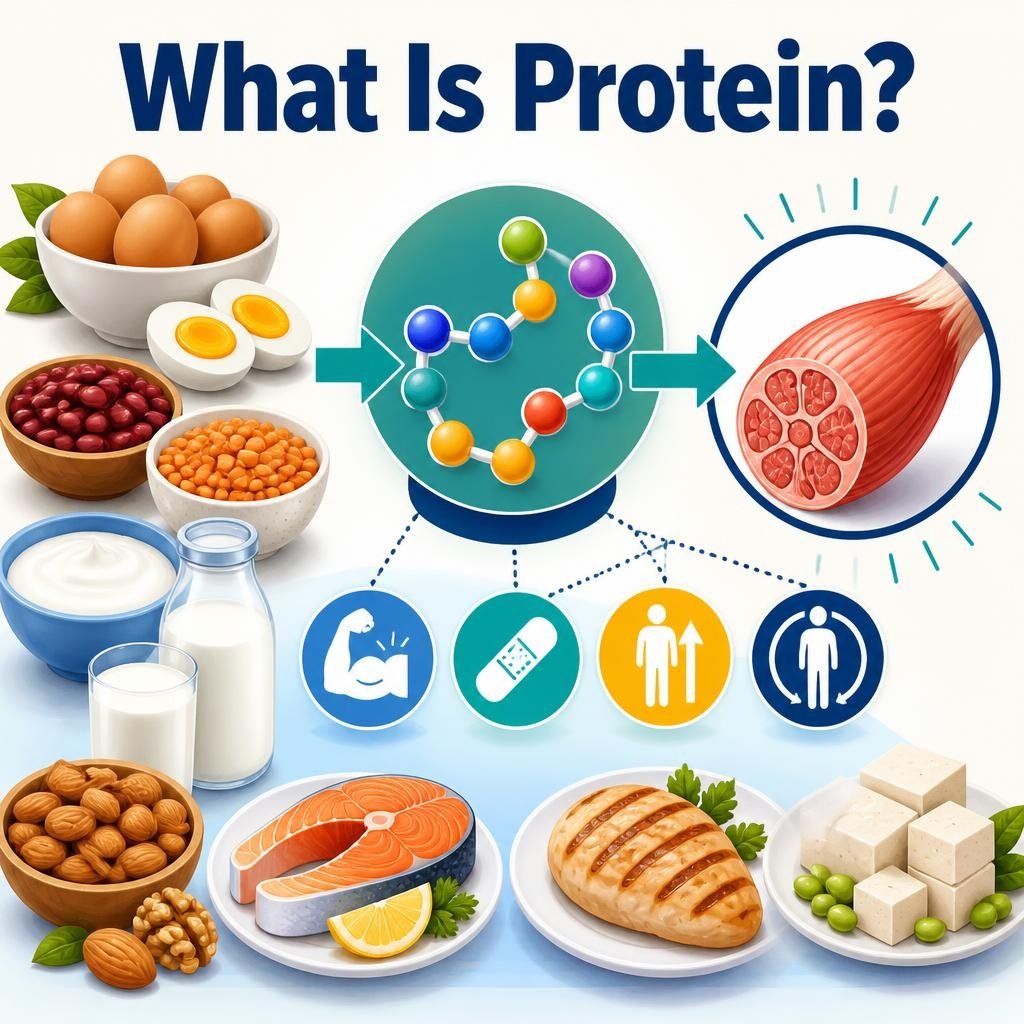
Protein is one of the three main macronutrients, alongside carbohydrates and fats.
It is made up of smaller building blocks called amino acids. Your body uses these amino acids to build and repair tissues and produce enzymes, hormones and other important substances.
Some amino acids are considered essential because your body cannot produce enough of them. You need to obtain these through food.
Protein is found in a wide variety of foods, including meat, fish, eggs, dairy products, beans, lentils, nuts and seeds.
2. Why Is Protein Important for Your Body?
Protein supports several important functions.
Muscle Growth and Maintenance
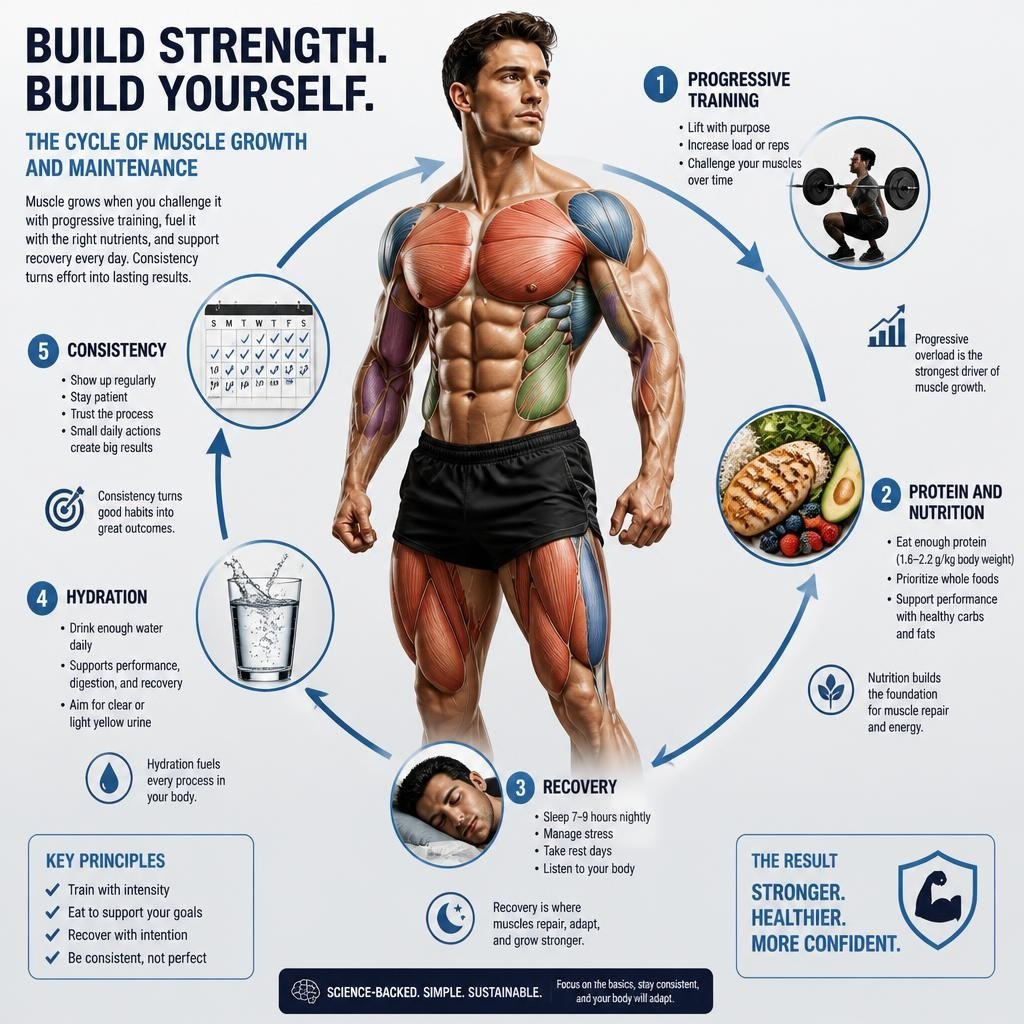
Your muscles contain protein, and dietary protein provides amino acids that help maintain and repair muscle tissue.
This is especially important for people who participate in strength training, sports or other physical activities.
Tissue Repair
Your body uses amino acids to repair and maintain tissues. Protein is therefore an important part of normal growth and recovery.
Supports Immune Function
Many components of the immune system depend on proteins. Eating enough protein as part of a balanced diet helps provide the nutrients your body needs for normal immune function.
Enzyme and Hormone Production
Proteins help form enzymes that support chemical reactions in the body. They also contribute to the production of certain hormones and signalling molecules.
Helps You Feel Satisfied After Meals
Protein can contribute to feelings of fullness after eating. Including a protein source in meals may help make your eating routine more satisfying.
3. Best Sources of Protein
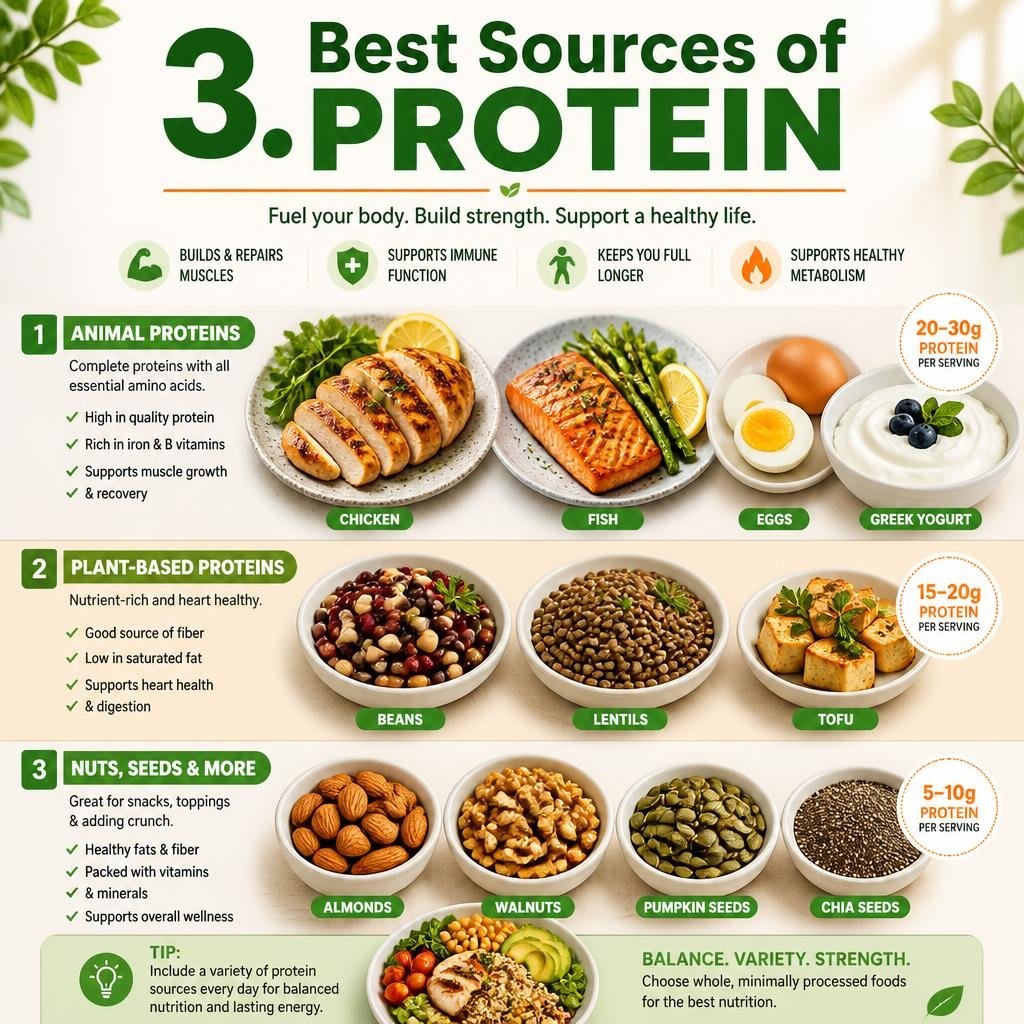
You can obtain protein from both animal and plant-based foods.
Animal-Based Protein Sources
Common options include:
Eggs.
Chicken.
Fish.
Lean beef.
Milk.
Greek yoghurt.
Cottage cheese.
Seafood.
These foods provide protein, and some also contain important nutrients such as vitamin B12, iron, calcium and omega-3 fatty acids.
Related article: Best Plant-Based Protein Sources.
Plant-Based Protein Sources
Plant-based options include:
Lentils.
Chickpeas.
Kidney beans.
Tofu.
Tempeh.
Soybeans.
Peanuts.
Almonds.
Pumpkin seeds.
Quinoa.
A varied plant-based diet can provide the amino acids your body needs. Eating different protein-rich plant foods throughout the day can help support a balanced intake.
4. How Much Protein Do You Need Every Day?
Protein requirements vary according to age, body size, activity level, health status and life stage.
For healthy adults, a commonly used general reference is approximately 0.8 grams of protein per kilogram of body weight per day. Individual needs may be higher for some people, including those undertaking regular strength training, older adults or people with particular health requirements.
For example, a healthy adult weighing 70 kilograms would have a general reference intake of approximately 56 grams per day using the 0.8 grams-per-kilogram guideline.
This is a general reference, not a personalised prescription. People with kidney disease or other medical conditions should seek individual dietary advice.

5. High-Protein Foods to Include in Your Diet
You do not need expensive products to include protein in your meals.
Here are some practical choices:
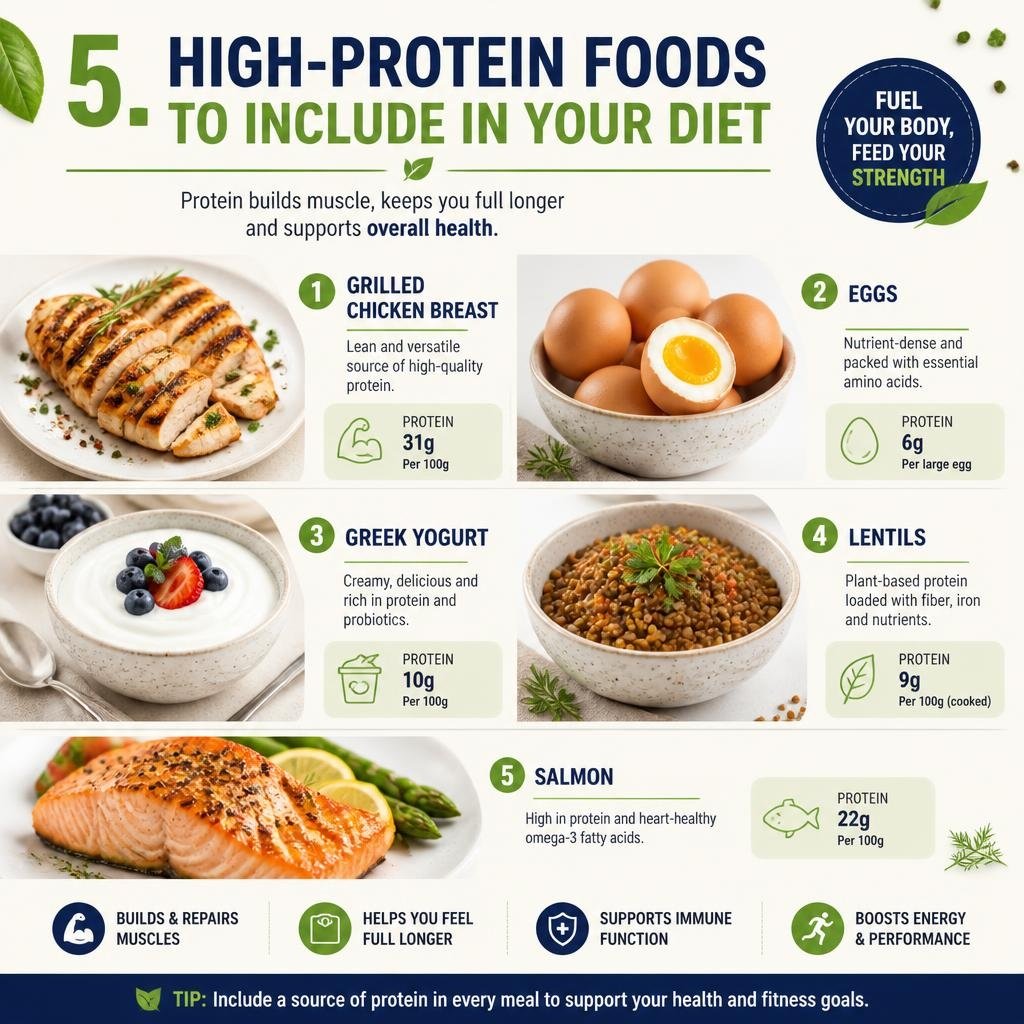
Eggs: A convenient source of complete protein that can be included in breakfast, lunch or dinner.
Greek yoghurt: Provides protein and calcium. Choose varieties according to your nutritional needs and taste.
Chicken: A versatile source of protein that works well in salads, sandwiches and cooked meals.
Lentils: Provide protein and dietary fibre, making them useful for plant-based meals.
Fish: Provides protein, and oily fish such as salmon also contains omega-3 fats.
Tofu: A versatile soy-based protein that can be added to stir-fries, salads and soups.
Related article: High-Protein Foods for Everyday Meals.
6. Understanding the Other Macronutrients
A balanced diet requires more than protein.
Carbohydrates
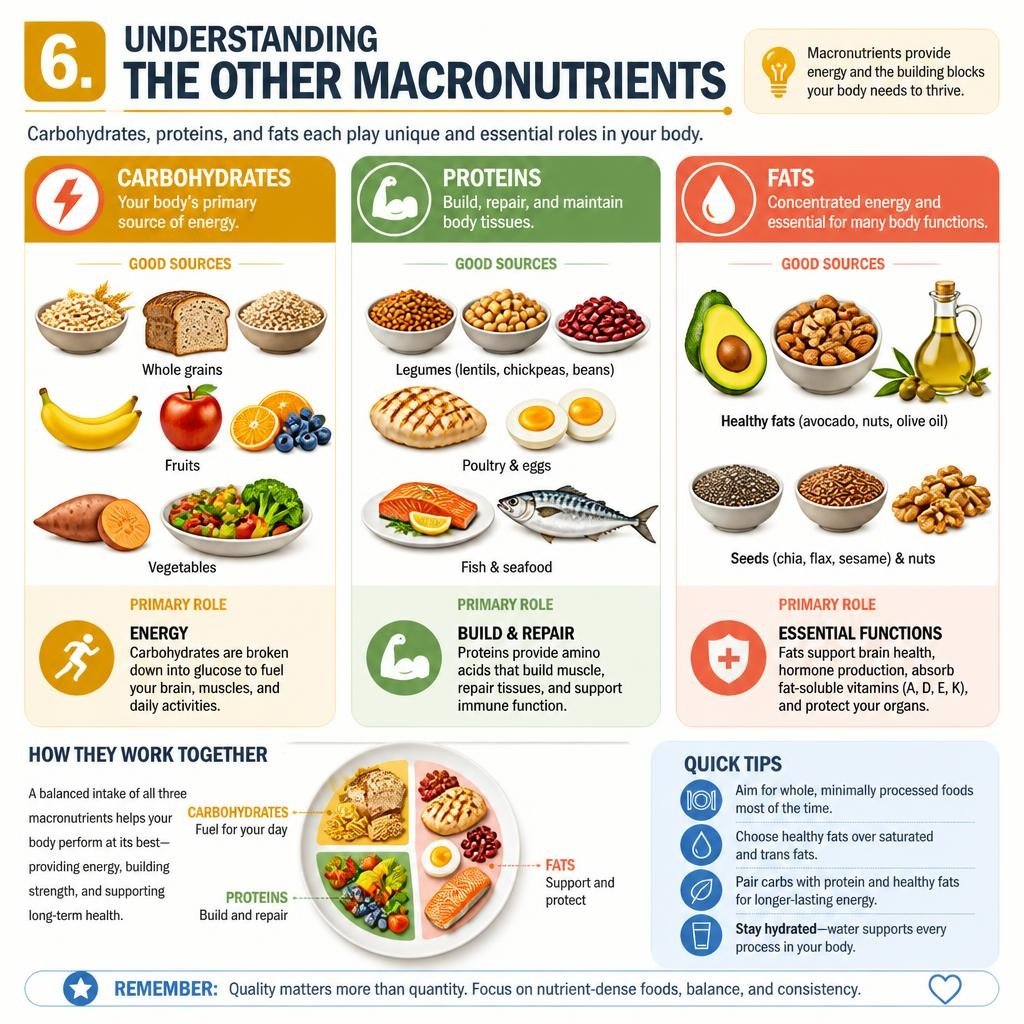
Carbohydrates provide energy for your body and brain. Whole grains, fruit, vegetables and legumes are useful sources.
Examples include oats, brown rice, wholegrain bread, potatoes and fruit.
Healthy Fats
Dietary fats help your body absorb certain vitamins and support normal cell function.
Useful sources include olive oil, avocado, nuts, seeds and oily fish.
Fibre
Fibre supports digestive health and helps maintain normal bowel function. It is found in vegetables, fruit, whole grains, legumes, nuts and seeds.
A balanced diet includes all these nutrients in appropriate amounts.
7. How to Build a Balanced Meal
Eating a balanced meal is one of the simplest ways to improve your daily nutrition. It is not just about eating more protein or avoiding certain foods. A healthy meal should provide a combination of protein, carbohydrates, healthy fats, fibre, vitamins, and minerals to support your body’s everyday needs.
The good news is that you do not need expensive ingredients or complicated recipes. With a little planning, you can create nutritious meals using ordinary foods available at your local supermarket.
Include a Good Source of Protein
Protein helps maintain and repair muscles, supports normal body functions, and helps you feel satisfied after eating.
Good protein choices include:
Eggs
Chicken breast
Fish and salmon
Lean beef
Greek yoghurt
Lentils and chickpeas
Tofu and beans
Try to include a protein source in your main meals. For example, you could add boiled eggs to breakfast, grilled chicken to lunch, or lentils to dinner.
Choose Healthy Carbohydrates
Carbohydrates provide energy for your brain and muscles. Instead of avoiding carbohydrates completely, choose nutritious sources that also provide fibre and other important nutrients.
Consider adding:
Brown rice
Wholegrain bread
Oats
Quinoa
Sweet potatoes
Wholegrain pasta
These foods can help provide steady energy throughout the day, particularly when combined with protein and vegetables.
Add Plenty of Vegetables and Some Fruit
Vegetables and fruits provide essential vitamins, minerals, antioxidants, and dietary fibre. Eating a variety of colourful produce can help you get a wider range of nutrients.
Good options include spinach, broccoli, carrots, tomatoes, capsicum, apples, oranges, berries, and bananas.
Aim to include vegetables with lunch and dinner, and enjoy fruit as part of breakfast or a snack.
Include Healthy Fats
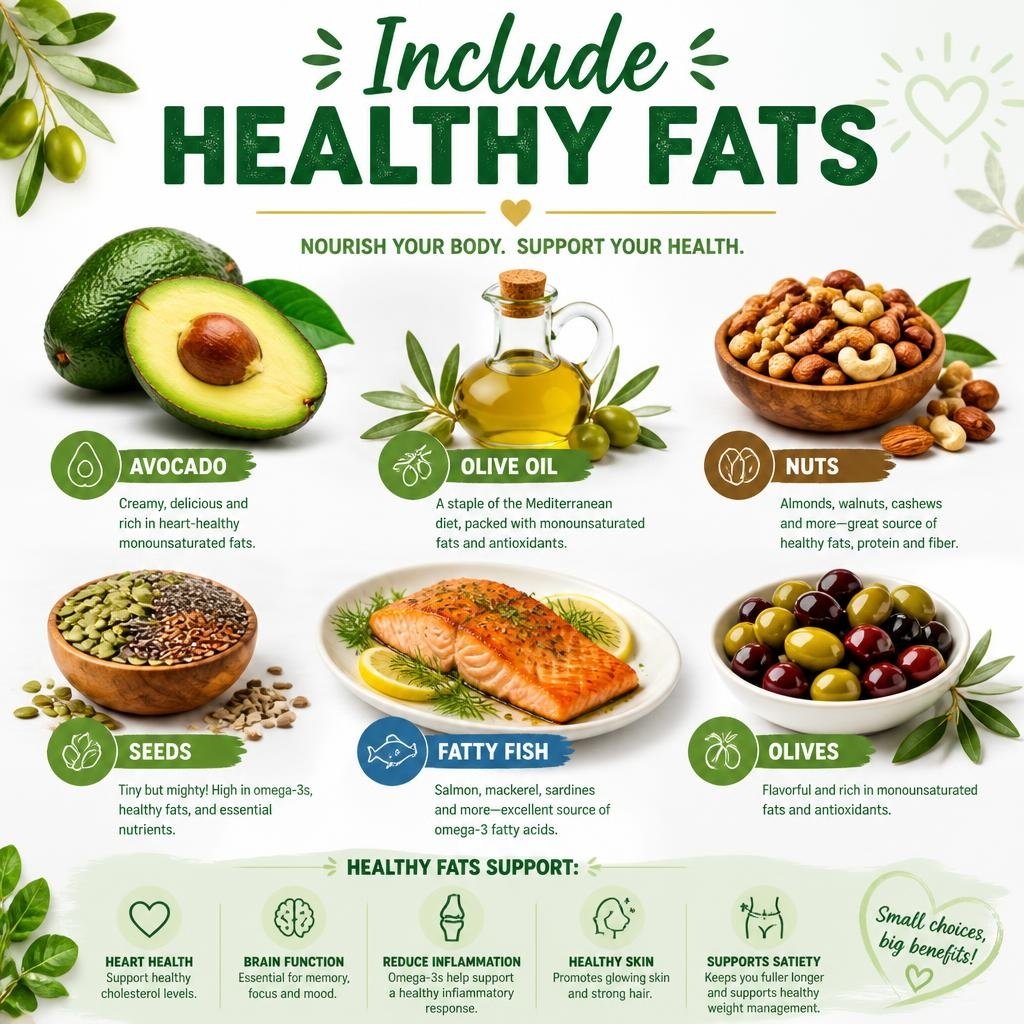
Healthy fats support several important functions in the body, including the absorption of certain vitamins. They also add flavour and satisfaction to meals.
Some nutritious choices include:
Avocados
Almonds and walnuts
Chia seeds
Olive oil
Fatty fish
Natural peanut butter
Remember that fats are energy-dense, so portion sizes still matter.
Simple Balanced Meal Examples
You can use the following ideas to build nutritious meals without spending too much time in the kitchen.
Breakfast: Oatmeal with Greek yoghurt, berries, and a small handful of nuts.
Lunch: Grilled chicken with brown rice, mixed vegetables, and a little olive oil dressing.
Dinner: Baked salmon with sweet potato and steamed broccoli.
Vegetarian option: Lentil curry with brown rice and a side of fresh vegetables.
Quick snack: Greek yoghurt, a boiled egg, fruit, or a small handful of almonds.
A Simple Portion Guide
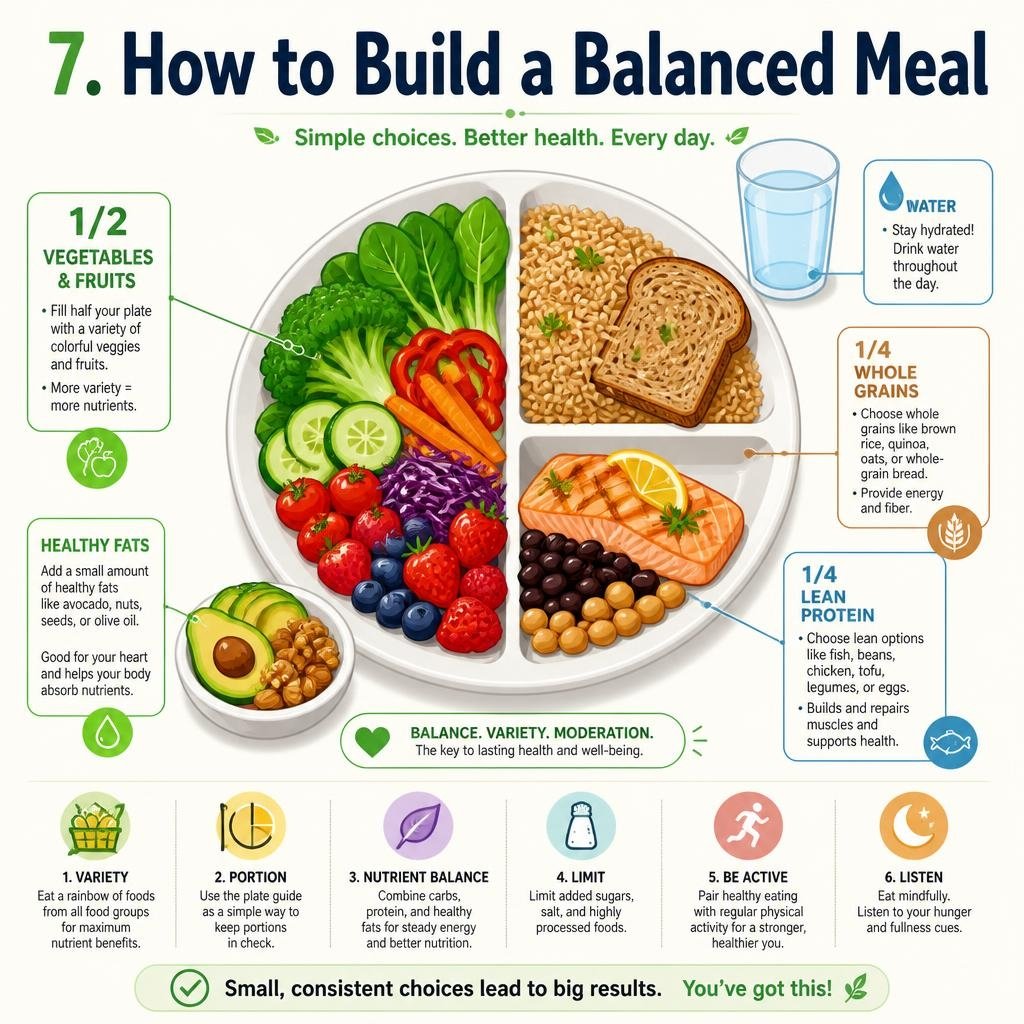
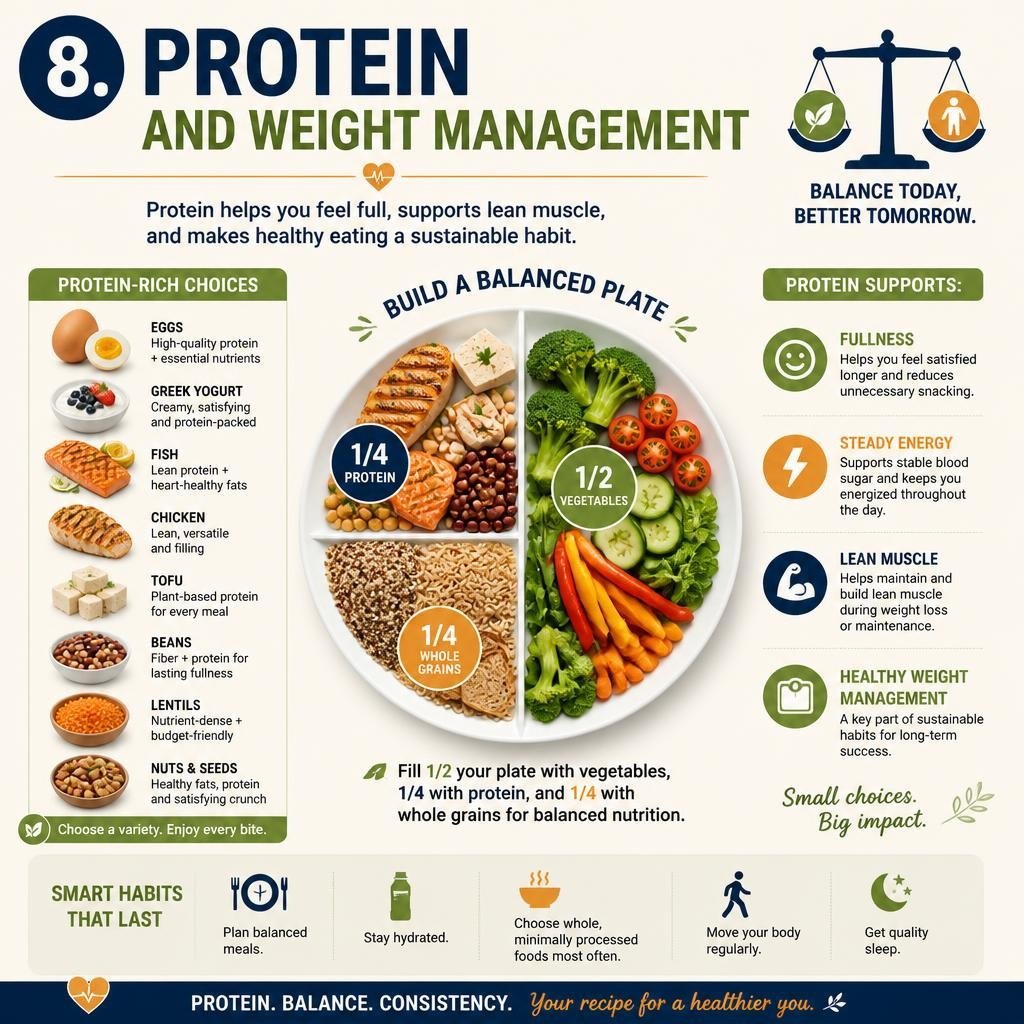
A useful starting point for many people is to divide a main meal plate into three sections:
Half the plate: vegetables and salad.
One quarter: protein-rich foods.
One quarter: wholegrain carbohydrates or other nutritious starchy foods.
Add a small portion of healthy fats where appropriate. This is a general guide rather than a strict rule; individual nutritional needs vary depending on age, activity level, health conditions, and personal goals.
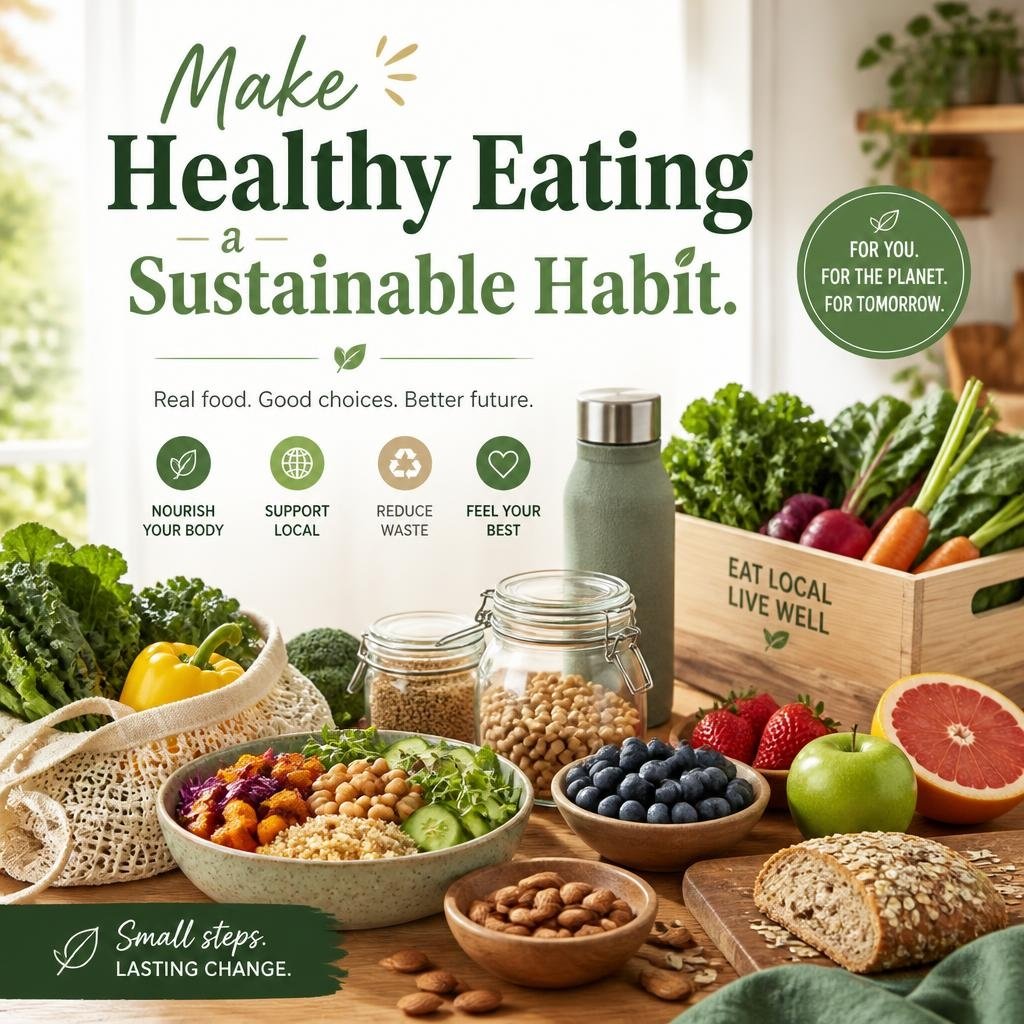
Make Healthy Eating a Sustainable Habit
You do not need to change your entire diet overnight. Start by making small improvements, such as adding vegetables to lunch, choosing wholegrain foods, including protein at breakfast, and preparing meals at home more often.
Planning a few meals in advance can also make healthy eating easier during busy days. For more practical ideas, read our guide to healthy meal preparation for beginners.
The key takeaway: A balanced meal combines protein, healthy carbohydrates, vegetables, and beneficial fats. Focus on variety, sensible portions, and consistency rather than following restrictive diets. Over time, these simple habits can support better nutrition and overall health.
8. Protein and Weight Management
Protein can be useful as part of a weight-management plan because it contributes to fullness and helps maintain muscle when combined with appropriate physical activity.
However, eating more protein does not automatically cause weight loss.
Weight management involves overall energy intake, activity, sleep, health conditions and individual circumstances.
A sustainable approach is to combine balanced meals, regular movement and realistic habits rather than relying on a single nutrient or restrictive diet.
Related article: Healthy Weight Management Tips.
9. Protein and Exercise Recovery
Exercise places demands on your muscles. Protein provides amino acids that help repair and maintain muscle tissue.
People who exercise regularly can benefit from including protein-containing foods throughout the day.
For example:
Breakfast: Eggs and wholegrain toast.
Lunch: Chicken salad or a lentil bowl.
Snack: Greek yoghurt or a handful of nuts.
Dinner: Fish, tofu or beans with vegetables and whole grains.
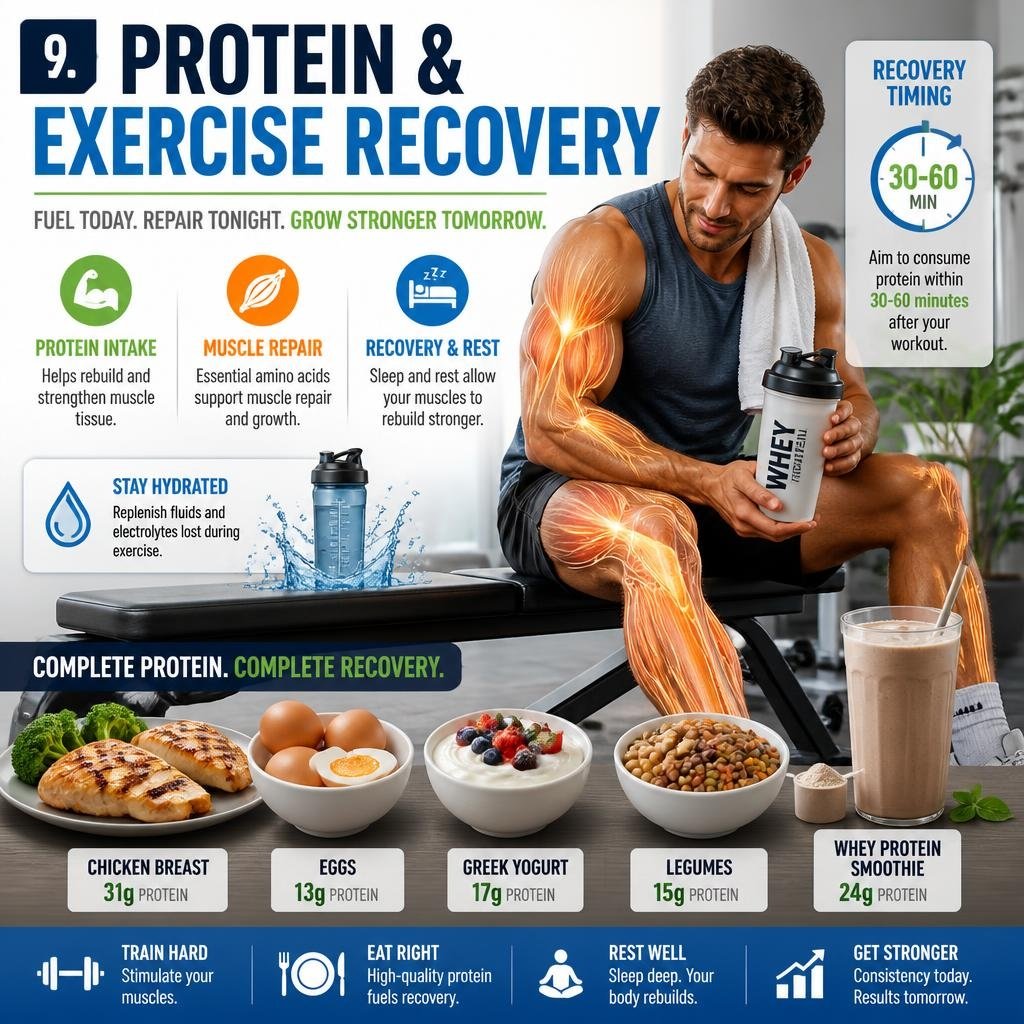
You do not necessarily need protein supplements to meet your needs. Whole foods can provide substantial amounts of protein as part of a balanced diet.
10. Do You Need Protein Supplements?
Protein powders and supplements can be convenient for people who struggle to meet their protein requirements through food.
However, they are not essential for everyone.
Before choosing a supplement, consider:
Your actual protein requirements.
Your existing food intake.
Product ingredients.
Allergies and dietary restrictions.
Any relevant medical conditions.
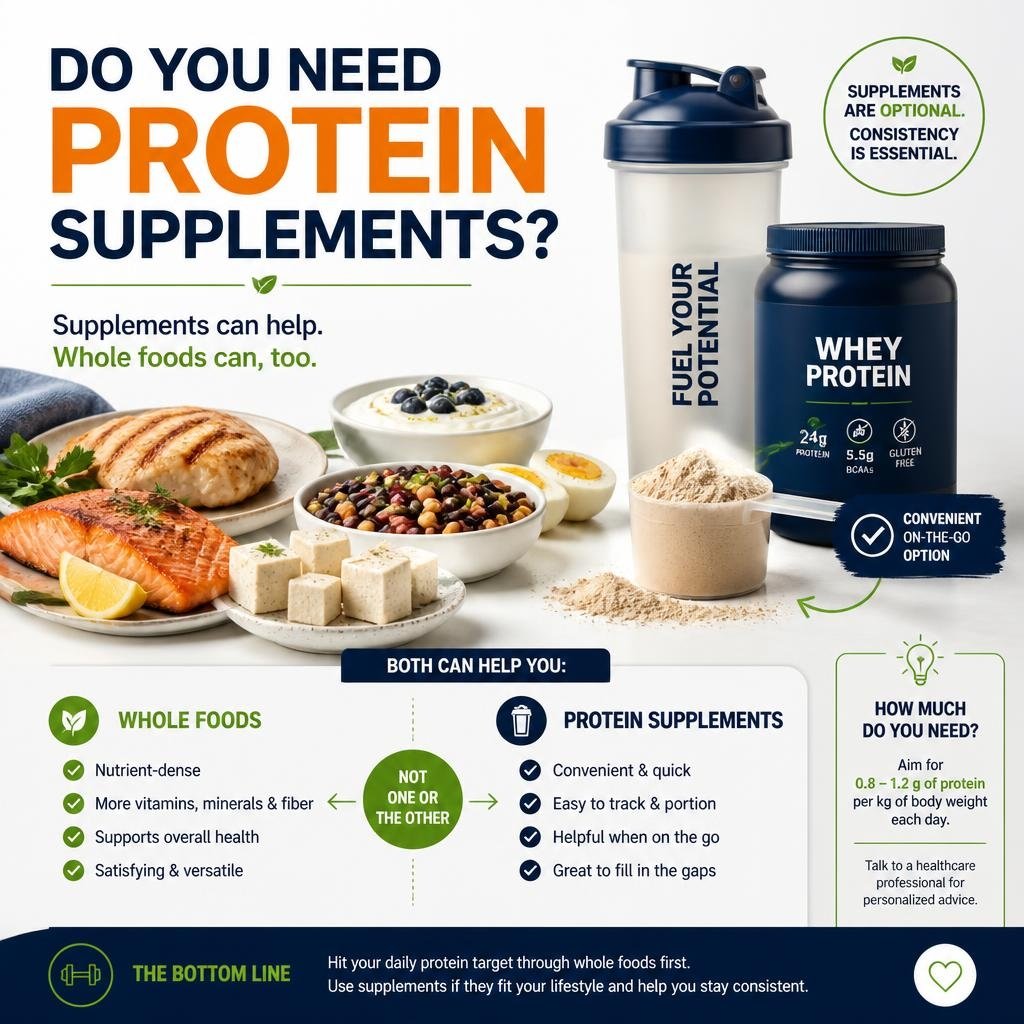
If you have a medical condition or take medication, discuss supplements with a qualified healthcare professional or dietitian before using them.
11. Common Protein and Nutrition Mistakes
Some common mistakes can make healthy eating unnecessarily complicated.
Focusing Only on Protein
Protein is important, but a balanced diet also needs carbohydrates, fats, fibre, vitamins and minerals.
Ignoring Vegetables and Fruit
Vegetables and fruit provide fibre and a range of essential micronutrients.
Depending Too Much on Supplements
Supplements should not replace a varied and nutritious diet.
Following Restrictive Diets
Removing entire food groups without a medical reason can make it harder to obtain a balanced range of nutrients.
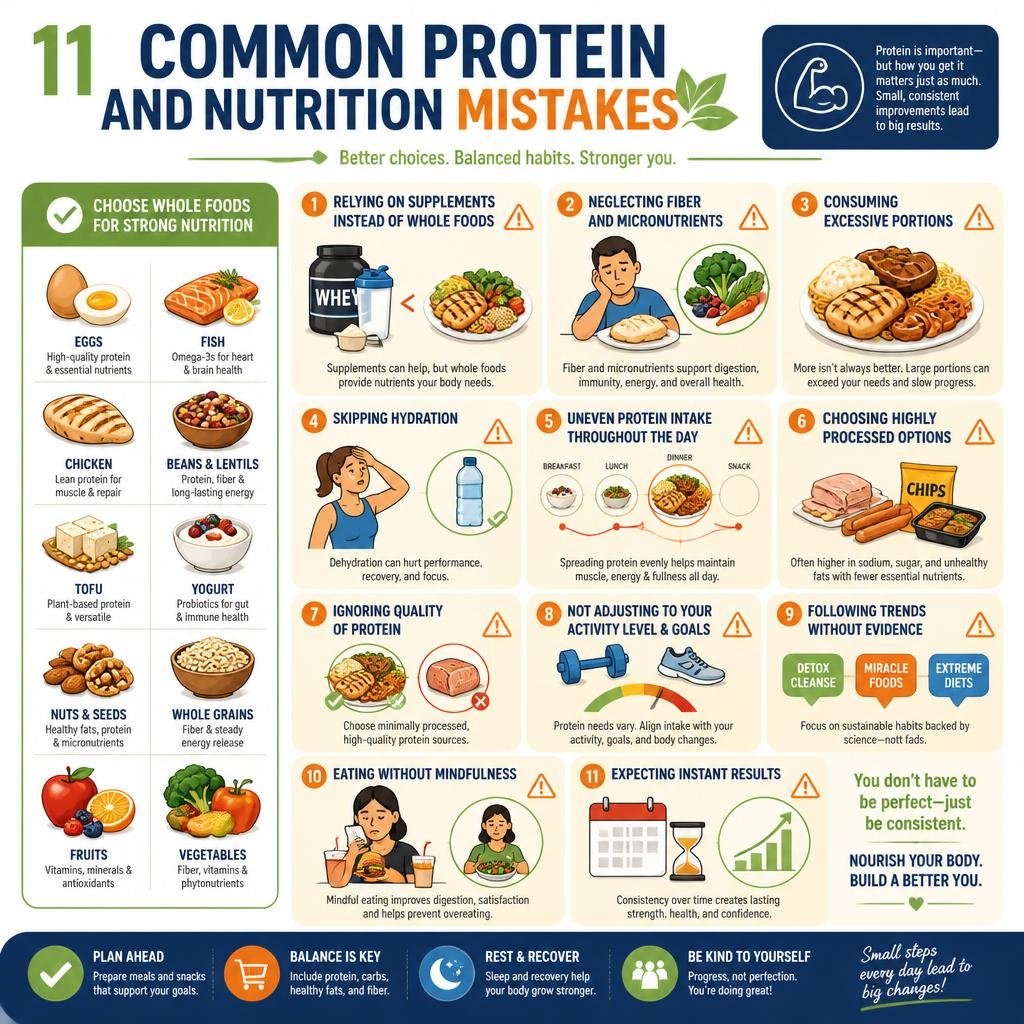
Forgetting Hydration
Water supports digestion, circulation, temperature regulation and many other normal body functions.
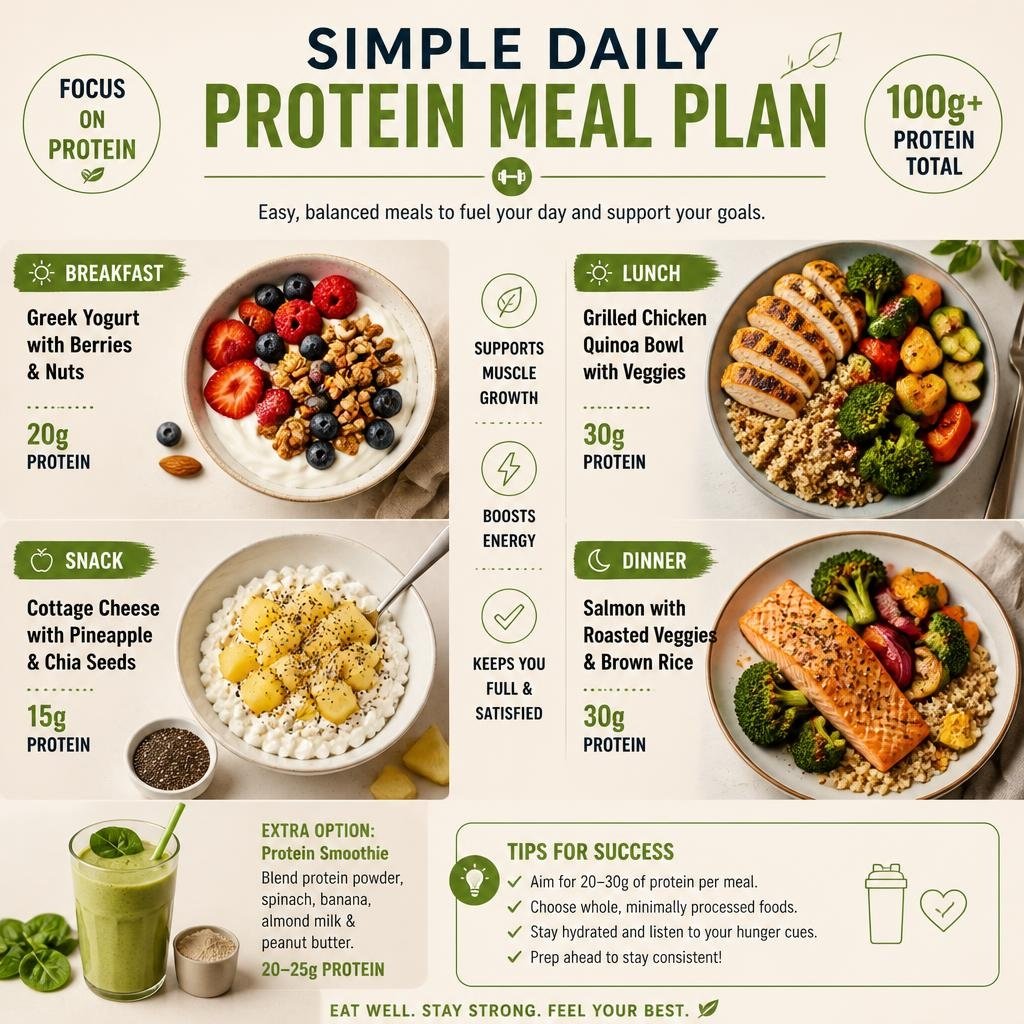
12. Simple Daily Protein Meal Plan
Here is an example of how protein-rich foods can fit into a normal day.
| Meal | Example |
|---|---|
| Breakfast | Eggs, wholegrain toast and fruit |
| Morning snack | Greek yoghurt |
| Lunch | Chicken or lentil salad |
| Afternoon snack | Nuts or hummus with vegetables |
| Dinner | Fish, tofu or beans with vegetables and rice |
This is an example rather than a personalised meal plan. Portion sizes should reflect individual requirements.
Frequently Asked Questions
What is the best source of protein?
There is no single best source for everyone. Eggs, fish, chicken, dairy products, lentils, beans, tofu and other foods can all contribute to protein intake.
Can you get enough protein from a vegetarian diet?
Yes. Foods such as lentils, beans, tofu, tempeh, dairy products, eggs, nuts and seeds can help provide sufficient protein.
Is eating protein every day important?
Yes. Protein is an essential nutrient that your body needs regularly for tissue maintenance, repair and other normal functions.
Does protein help build muscle?
Protein supplies amino acids needed for muscle maintenance and repair. Building muscle also requires appropriate resistance training, sufficient energy and recovery.
Are protein shakes necessary?
No. Many people can meet their protein requirements through ordinary foods. Supplements may be convenient in certain circumstances but are not essential for everyone.
Conclusion
Protein is an essential part of a healthy diet, supporting muscle maintenance, tissue repair and many important functions in the body.
However, good nutrition involves balance. Include a variety of protein sources, vegetables, fruit, whole grains, healthy fats and fibre in your daily meals.
Rather than following complicated food trends, focus on simple choices that you can maintain over time.
Want to lose weight but nothing ever works for you?
How a NEW “Bread Hack” Melted 115 Pounds and 12 Jean Sizes After A HORRIFYING Incident At My Old High School
If you love bread, bagels or just carbs in general, keep reading to discover the fastest and easiest way to slim down without the struggle after 50
- Melt Up To 15 Pounds in the First 5 Days
- Torches Belly Fat 147% FASTER
- Energy Skyrockets While Fatigue Diminishes – Folks Are Crossing Everything Off Their Daily To-Do List BEFORE Noon
- Burn More Fat in 3 Weeks Than Most People Do in 3 YEARS
- More Stamina, More Endurance and Better Mobility – While Your Mental Clarity Shoots Through the Roof
- For more info, click here