
Introduction
Artificial Intelligence (AI) is one of the most transformative technologies of the modern era. From virtual assistants and recommendation systems to autonomous vehicles and medical diagnostics, AI is changing the way people live, work, and interact with technology.
Table of Contents
ToggleIn simple terms, Artificial Intelligence refers to computer systems that can perform tasks that normally require human intelligence. These tasks include learning from data, recognizing speech and images, making decisions, solving problems, and understanding natural language.
Although AI may seem like a recent breakthrough, its origins date back several decades. Advances in computing power, cloud technology, and access to massive datasets have accelerated AI development, making it a practical tool for businesses, researchers, educators, and individuals.
Whether you’re a student, business owner, developer, or simply curious about technology, understanding AI is becoming an increasingly valuable skill. This guide explains the fundamentals of Artificial Intelligence, how it works, where it is used, its benefits and limitations, and what the future may hold.
What Is Artificial Intelligence?
Artificial Intelligence is a branch of computer science focused on creating systems that can perform tasks that typically require human intelligence. Instead of following only fixed instructions, AI systems analyze information, recognize patterns, learn from experience, and improve their performance over time.
Examples of AI-powered technologies include:
- Voice assistants that answer spoken questions.
- Email systems that detect spam.
- Navigation apps that recommend faster routes.
- Recommendation engines that suggest movies, music, or products.
- Translation tools that convert text between languages.
- Fraud detection systems used by banks.
AI systems vary in complexity. Some perform a single specialized task, while researchers continue working toward more general systems capable of handling a wider range of problems.
Why Artificial Intelligence Matters
AI has become important because it helps organizations and individuals process information faster, automate repetitive work, and make more informed decisions.
Some key advantages include:
- Increased productivity through automation.
- Faster analysis of large datasets.
- Improved customer experiences.
- Better decision support.
- Reduced operational costs.
- Enhanced accessibility through translation, speech recognition, and assistive technologies.
Across industries such as healthcare, education, manufacturing, finance, transportation, and retail, AI is helping professionals solve problems more efficiently and develop new products and services.
How Does Artificial Intelligence Work?
Artificial Intelligence works by combining data, algorithms, and computing power to recognize patterns, make predictions, and perform tasks that typically require human intelligence. Rather than simply following a fixed set of instructions, many AI systems improve their performance by learning from large amounts of information.
The basic AI workflow looks like this:
- Data Collection – AI systems gather information from sources such as text, images, videos, sensors, or databases.
- Data Preparation – The data is cleaned, organized, and labeled so it can be used effectively.
- Model Training – Machine learning algorithms analyze the data to identify patterns and relationships.
- Testing – The model is evaluated using new data to measure its accuracy.
- Deployment – Once the model performs well, it is integrated into applications or services.
- Continuous Improvement – Many AI systems continue to improve over time as they receive additional data and feedback.
For example, an email spam filter learns from thousands of emails. By analyzing characteristics of spam and legitimate messages, it becomes better at identifying unwanted emails while reducing false positives.
Types of Artificial Intelligence
Artificial Intelligence is often grouped into different categories based on its capabilities.
1. Narrow AI (Weak AI)
Narrow AI is designed to perform a specific task. It cannot think or reason beyond the function it was created for.
Examples include:
- Voice assistants
- Recommendation systems
- Navigation apps
- Spam filters
- Facial recognition software
Most AI systems available today fall into this category.
2. General AI (Strong AI)
General AI refers to a theoretical system capable of understanding and performing any intellectual task that a human can do. Unlike Narrow AI, it would be able to transfer knowledge across different domains and solve unfamiliar problems.
At present, General AI remains an area of research and has not been achieved.
3. Superintelligent AI

Superintelligent AI is a hypothetical concept describing AI that surpasses human intelligence across virtually every field, including creativity, scientific research, and decision-making.
While frequently discussed in research and science fiction, it does not exist today.
Machine Learning Explained
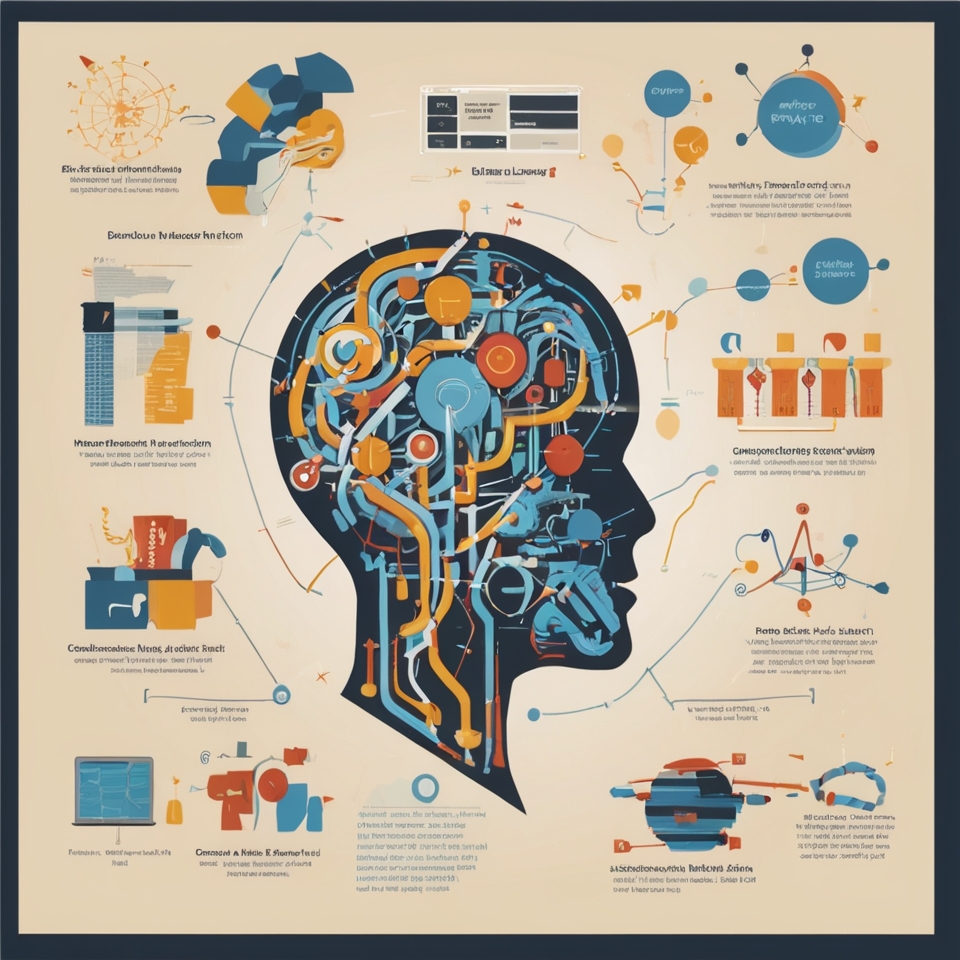
Machine Learning (ML) is a subset of Artificial Intelligence that enables computers to learn from data rather than relying solely on explicit programming.
Instead of writing instructions for every possible situation, developers train machine learning models using examples. The model identifies patterns and uses them to make predictions or decisions.
Common Uses of Machine Learning
- Fraud detection
- Product recommendations
- Medical diagnosis support
- Weather forecasting
- Search engine ranking
- Predictive maintenance
Types of Machine Learning
Supervised Learning
The model is trained using labeled data where the correct answers are already known.
Example:
Teaching a computer to identify cats and dogs using thousands of labeled images.
Unsupervised Learning
The model finds hidden patterns in data without predefined labels.
Example:
Grouping customers with similar shopping behaviors.
Reinforcement Learning
The AI learns by interacting with an environment and receiving rewards or penalties based on its actions.
Examples include:
- Robotics
- Game-playing AI
- Self-driving vehicle research
Deep Learning Explained
Deep Learning is an advanced area of machine learning that uses artificial neural networks inspired by the structure of the human brain.
Deep learning models are particularly effective for tasks involving large amounts of complex data.
Applications include:
- Speech recognition
- Language translation
- Image recognition
- Medical imaging analysis
- Autonomous driving
- AI-generated content
Because these models require substantial computing power and large datasets, they have become increasingly capable as modern hardware has improved.

Natural Language Processing (NLP)
Natural Language Processing enables computers to understand, interpret, and generate human language.
NLP powers many tools people use every day, including:
- Chatbots
- Virtual assistants
- Language translation
- Grammar checkers
- Text summarization
- Sentiment analysis
For example, when you ask a chatbot a question in everyday language, NLP helps it interpret your request and generate a relevant response.
Computer Vision
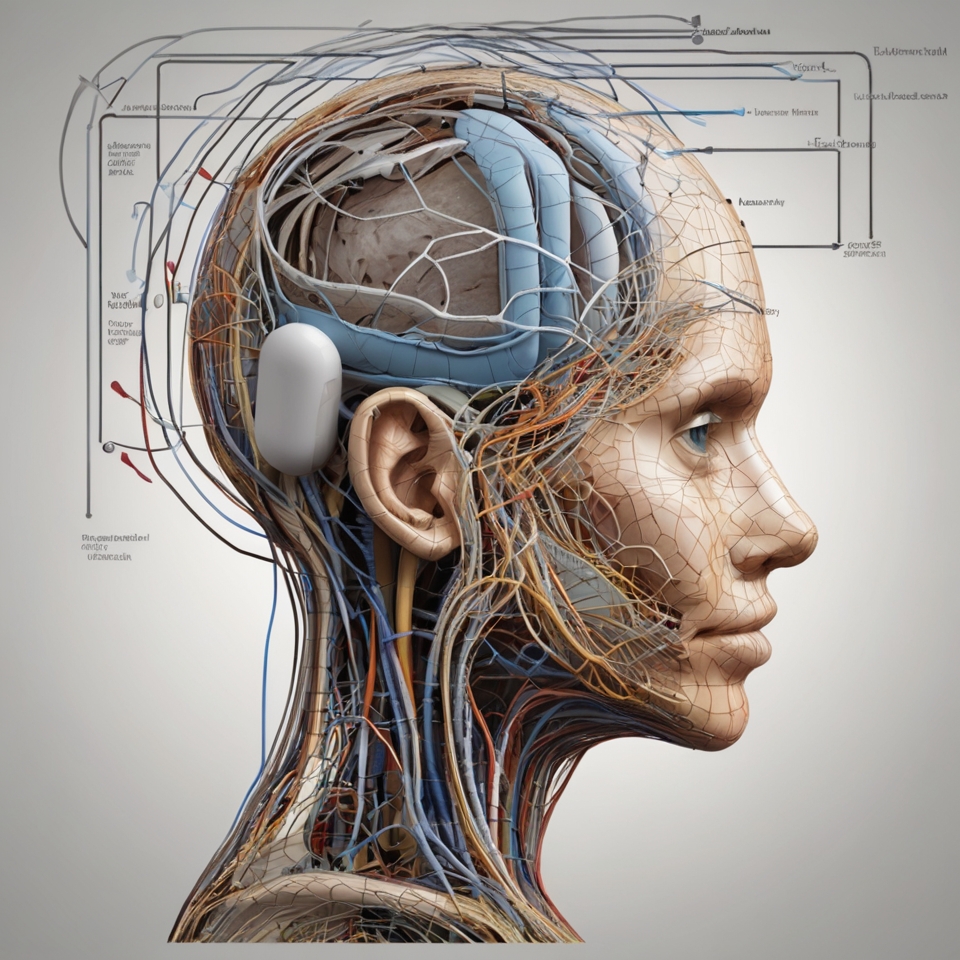
Computer Vision allows AI systems to analyze and interpret visual information such as images and videos.
Common applications include:
- Facial recognition
- Medical image analysis
- Quality inspection in manufacturing
- Traffic monitoring
- Wildlife monitoring
- Optical character recognition (OCR)
For instance, hospitals can use computer vision to assist healthcare professionals in reviewing medical scans, while manufacturers use it to identify defects during production.
Real-World Applications of Artificial Intelligence
Artificial Intelligence is already being used across nearly every major industry. Its ability to analyze data, automate tasks, and support decision-making has made it one of the most valuable technologies in the world.
AI in Healthcare
Healthcare organizations use AI to:
Analyze medical images
Detect diseases earlier
Assist doctors with diagnosis
Predict patient risks
Improve hospital operations

AI helps healthcare professionals process large amounts of information quickly and identify patterns that might otherwise be missed.
AI in Education
Educational institutions use AI for:
Personalized learning
Automated grading
Student progress tracking
Language learning tools
Virtual tutoring systems
These tools can help students learn at their own pace and provide teachers with additional insights.
AI in Finance
Banks and financial companies rely on AI to:
Detect fraud
Assess credit risk
Analyze market trends
Automate customer service
Manage investments
AI in Retail
Retailers use AI for:
Product recommendations
Inventory management
Demand forecasting
Customer support chatbots
Pricing optimization
Benefits of Artificial Intelligence
AI offers many advantages when used appropriately.
1. Increased Efficiency
AI can automate repetitive tasks, allowing people to focus on higher-value work.
2. Faster Decision-Making
AI systems can analyze large datasets much faster than humans.
3. Improved Accuracy
In many situations, AI reduces human error and improves consistency.
4. 24/7 Availability
AI-powered systems can operate continuously without breaks.
5. Cost Savings
Automation can reduce operational expenses over time.
Challenges and Risks of AI
Despite its benefits, Artificial Intelligence also presents important challenges.
Bias in AI Systems
AI models learn from historical data. If the data contains bias, the AI may produce unfair results.
Privacy Concerns
Many AI systems require large amounts of personal data, raising questions about privacy and data protection.
Job Displacement
Automation may change certain types of jobs, requiring workers to develop new skills.
Security Risks
AI can be used for both beneficial and harmful purposes, including sophisticated cyberattacks.
Lack of Transparency
Some advanced AI models are difficult to fully explain, making it challenging to understand how decisions are made.
AI Ethics: Why Responsible AI Matters
As AI becomes more powerful, ethical considerations become increasingly important.
Key principles of responsible AI include:
Fairness – Avoiding discrimination.
Transparency – Explaining how AI systems make decisions.
Privacy – Protecting user data.
Accountability – Ensuring humans remain responsible for outcomes.
Safety – Reducing harmful risks.

Governments, researchers, and technology companies continue working on guidelines to promote ethical AI development.
The Future of Artificial Intelligence
Artificial Intelligence is expected to become even more integrated into everyday life.
Future developments may include:
More advanced virtual assistants
Smarter healthcare systems
Improved language translation
Safer transportation technologies
More personalized education
Greater business automation
Advanced scientific research tools

While experts debate how quickly AI will progress, most agree that it will continue transforming industries and creating new opportunities.
Frequently Asked Questions (FAQ)
What is Artificial Intelligence in simple words?
Artificial Intelligence is technology that allows computers to perform tasks that normally require human intelligence, such as learning, problem-solving, and understanding language.
Is AI the same as Machine Learning?
No. Machine Learning is a subset of AI. AI is the broader field, while Machine Learning focuses on systems that learn from data.
Can AI replace humans?
AI can automate certain tasks, but many jobs still require human creativity, judgment, empathy, and decision-making.
What are the main types of AI?
The three commonly discussed categories are Narrow AI, General AI, and Superintelligent AI.
Is AI dangerous?
AI itself is a tool. Its impact depends on how it is designed, regulated, and used.
Artificial Intelligence is no longer a futuristic concept—it is already shaping the modern world. From healthcare and education to finance and entertainment, AI helps organizations analyze information, automate tasks, and deliver better experiences.
For beginners, the most important thing to understand is that AI is a broad field that includes technologies such as Machine Learning, Deep Learning, Natural Language Processing, and Computer Vision. Each of these areas contributes to the intelligent systems we use every day.
As AI continues to evolve, learning its fundamentals will become increasingly valuable for students, professionals, business owners, and technology enthusiasts. The future of Artificial Intelligence will likely bring both exciting opportunities and important challenges, making informed understanding more important than ever.
Copy This “2-Line SMS” AI System That’s Quietly Paying Complete Beginners $1,000+ Per Week — While Everyone Else Is Chasing the Latest AI Widget
This short book reveals the simple 2-line SMS AI system that restarts conversations and turns forgotten leads into sales, appointments, and new revenue.