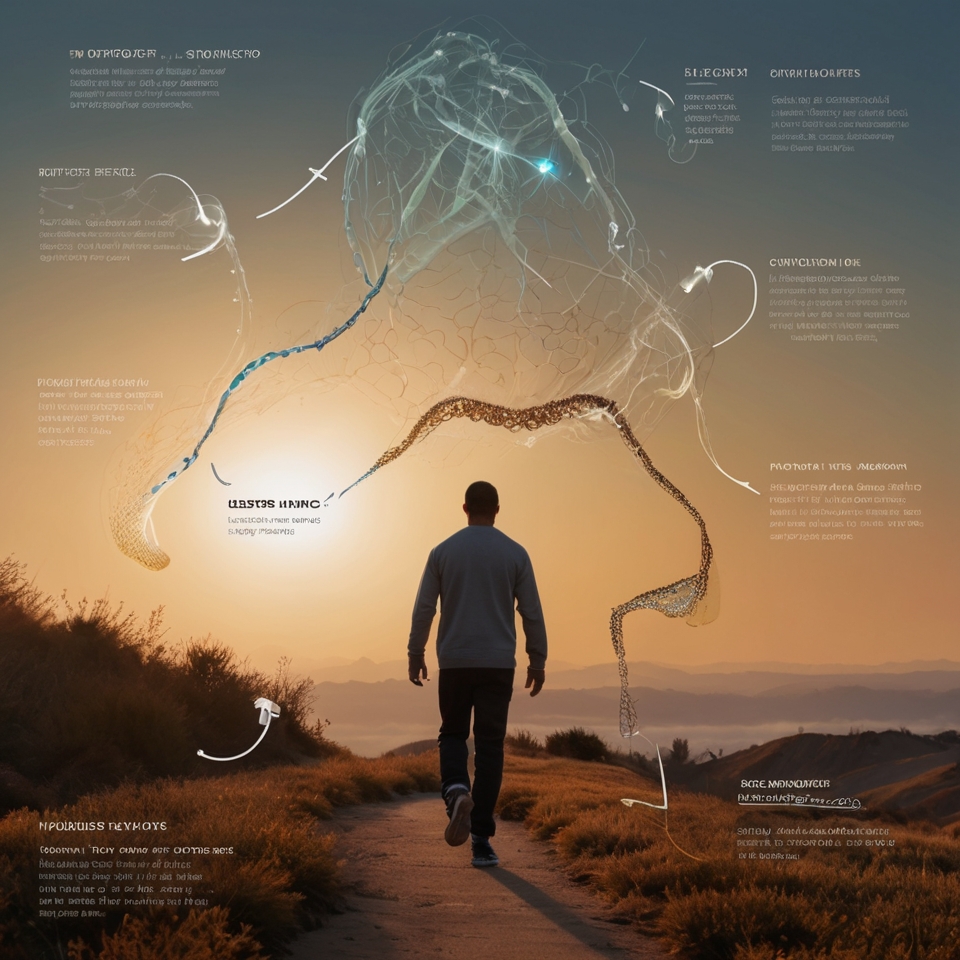
Walking is not loud. It doesn’t shout. It doesn’t demand gym memberships or sweat-soaked uniforms. Yet, in its quiet rhythm, walking carries the power to rewrite your blood chemistry, soften your arteries, and gently push LDL cholesterol out of the shadows where it causes harm.
If cholesterol were a story, walking would be the turning point—the moment when things begin to heal.
The Quiet Enemy: Understanding LDL Cholesterol
What LDL Really Does Inside Your Body
LDL cholesterol, often called “bad cholesterol,” is like excess cargo on a narrow road. Your body needs some of it—it transports cholesterol to cells. But when there’s too much, it starts sticking to artery walls, forming plaques that narrow blood vessels and strain the heart.
It doesn’t hurt. It doesn’t warn you. It simply builds… silently.
Why High LDL Feels Invisible but Dangerous
That’s the danger of LDL. You can feel perfectly fine while damage slowly unfolds. High LDL is a quiet storm, one that walking helps disperse—step by step.
Why Walking Is More Than Just a Habit
Walking as a Natural Medicine
Walking is movement in its most human form. No instructions required. No intimidation. Just forward motion. And with every step, your muscles demand energy, your blood flows faster, and your body begins to rebalance fats.
The Emotional Power of Simple Movement
There’s something poetic about walking—it meets you where you are. Tired? Walk slowly. Motivated? Walk briskly. No matter the pace, your body responds with gratitude.
The Science Behind Walking and Cholesterol
How Walking Improves Lipid Metabolism
When you walk, your muscles pull fatty acids from your bloodstream to use as fuel. This reduces circulating LDL particles and encourages your liver to clear excess cholesterol more efficiently.
The Role of Enzymes and Fat Transport
Walking activates enzymes like lipoprotein lipase, which helps break down LDL-rich particles. Think of it as internal housekeeping—cleaning the bloodstream gently but consistently.
Walking and Fat Burning: A Gentle Fire
How Walking Uses Fat as Fuel
Unlike intense workouts that rely on quick sugars, walking taps into fat stores—especially when done regularly. This steady fat-burning reduces the raw material your body uses to produce LDL cholesterol.
Why Consistency Matters More Than Speed
A slow walk done daily beats a fast walk done once a week. LDL responds to rhythm, not drama.
How Walking Raises Good Cholesterol (HDL)
The LDL–HDL Balance Explained
Walking doesn’t just lower LDL—it raises HDL, the “good cholesterol” that sweeps excess LDL away from arteries and back to the liver for disposal.
Why HDL Is LDL’s Silent Opponent
HDL is like a cleanup crew. The more you walk, the stronger that crew becomes.
Walking and Weight Loss: The Indirect Miracle
Belly Fat, LDL, and the Hidden Connection
Visceral fat—the deep belly fat—is a major producer of LDL cholesterol. Walking reduces this fat, even when the scale barely moves.
Why Losing Inches Matters More Than Losing Weight
Your jeans tell the truth your scale doesn’t. And your arteries feel the difference.
The Hormonal Symphony Triggered by Walking
Insulin Sensitivity and Cholesterol Control
Walking improves insulin sensitivity, reducing the liver’s tendency to overproduce LDL cholesterol.
Cortisol, Stress, and LDL Levels
Stress raises LDL. Walking lowers stress. It’s a beautiful equation.
Walking Improves Blood Flow and Artery Health
Cleaner Arteries, Softer Blood Pressure
As circulation improves, arteries become more flexible. Plaque formation slows. LDL loses its grip.
Reduced Inflammation, Reduced Risk
Walking calms inflammation—the spark that turns LDL into a real threat.
How Much Walking Is Enough to Lower LDL?
Minutes, Miles, and Mindset
Aim for 30–45 minutes most days. But even 10 minutes is a vote for your heart.
Daily Walking vs Occasional Intensity
LDL loves routine. Walk often. Walk gently. Walk faithfully.
Best Time of Day to Walk for Cholesterol
Morning Walks and Fat Oxidation
Morning walks burn fat efficiently and set a metabolic tone for the day.
Evening Walks and Stress Release
Evening walks wash stress out of your bloodstream—lowering cortisol-driven LDL spikes.
Walking Styles That Work Best
Brisk Walking vs Leisure Walking
Brisk walking lowers LDL faster, but leisurely walking still counts. Movement is the key.
Inclines, Intervals, and Natural Terrain
Small challenges wake up muscles and amplify cholesterol benefits.
Walking Compared to Other Exercises
Why Walking Wins for Sustainability
People quit workouts. They don’t quit walking.
Walking vs Running vs Gym Workouts
Walking is kinder to joints, easier to maintain, and just as powerful over time.
Diet and Walking: A Heart-Healthy Partnership
Foods That Amplify Walking’s Effects
Fiber-rich foods, healthy fats, and plants magnify LDL reduction.
What to Avoid After Your Walk
Sugary rewards undo the magic. Choose nourishment, not punishment.
Mental Health, Walking, and Cholesterol
Emotional Stress and LDL Spikes
An anxious mind creates a heavy bloodstream.
Walking as Moving Meditation
Each step whispers calm. Each breath lightens the load on your heart.
Real-Life Transformation Through Walking
Small Steps, Big Changes
People don’t change their lives overnight. They walk them into change.
Why Walking Works Long-Term
Because it fits into real life. And real life is where healing happens.
Common Myths About Walking and Cholesterol
“Walking Is Too Slow to Help”
Slow doesn’t mean weak. It means sustainable.
“Only Intense Exercise Works”
The heart prefers consistency over punishment.
Conclusion
Walking is not just movement—it’s a conversation with your body. Each step tells your heart, I care. Each mile whispers to your arteries, relax. LDL cholesterol doesn’t fall because of force; it falls because of love, patience, and rhythm. Walk often. Walk gently. And let healing follow your footsteps.
FAQs
1. How long does it take for walking to lower LDL cholesterol? Most people see improvements within 6–12 weeks of consistent walking.
2. Can walking alone replace cholesterol medication? For some, yes—but always consult a healthcare professional before stopping medication.
3. Is brisk walking better than slow walking for LDL? Brisk walking works faster, but slow walking still delivers benefits if done regularly.
4. Can walking lower cholesterol without weight loss? Absolutely. Cholesterol improves through metabolism and fat usage, not just weight loss.
5. Does walking help genetic high cholesterol? Yes. While genetics matter, walking can still significantly reduce LDL levels.